The Ultimate Lahore Travel Guide: Plan Your Trip Like a Pro
There’s this old saying in Pakistan: “He who has not seen Lahore has not been born.” It sounds like some cheesy line from a tourist board marketing meeting until you actually walk out of the airport. Lahore isn’t just a city; it’s a 1,000-year-old fever dream that somehow keeps moving in 2026 despite the absolute madness. It is the cultural soul of the place. You’ve got Mughal palaces literally sharing a wall with hyper-modern shopping malls. It’s weird. It’s beautiful.
But let’s be real for a second: Lahore can be a lot. If you arrive without a plan, the heat, the noise, and the sheer density of the Walled City will chew you up and spit you out. This guide isn’t here to give you the “polished” version. We’re going deep into the logistics, the costs, and the unwritten rules that brochures usually ignore because they want your money.
1. The Geography: A Tale of Two Lahores
To navigate Lahore, you have to understand the city is split into two totally different dimensions. If you book a hotel in the wrong one, your commute will be a nightmare. Honestly.
The Walled City (Androon Sheher)
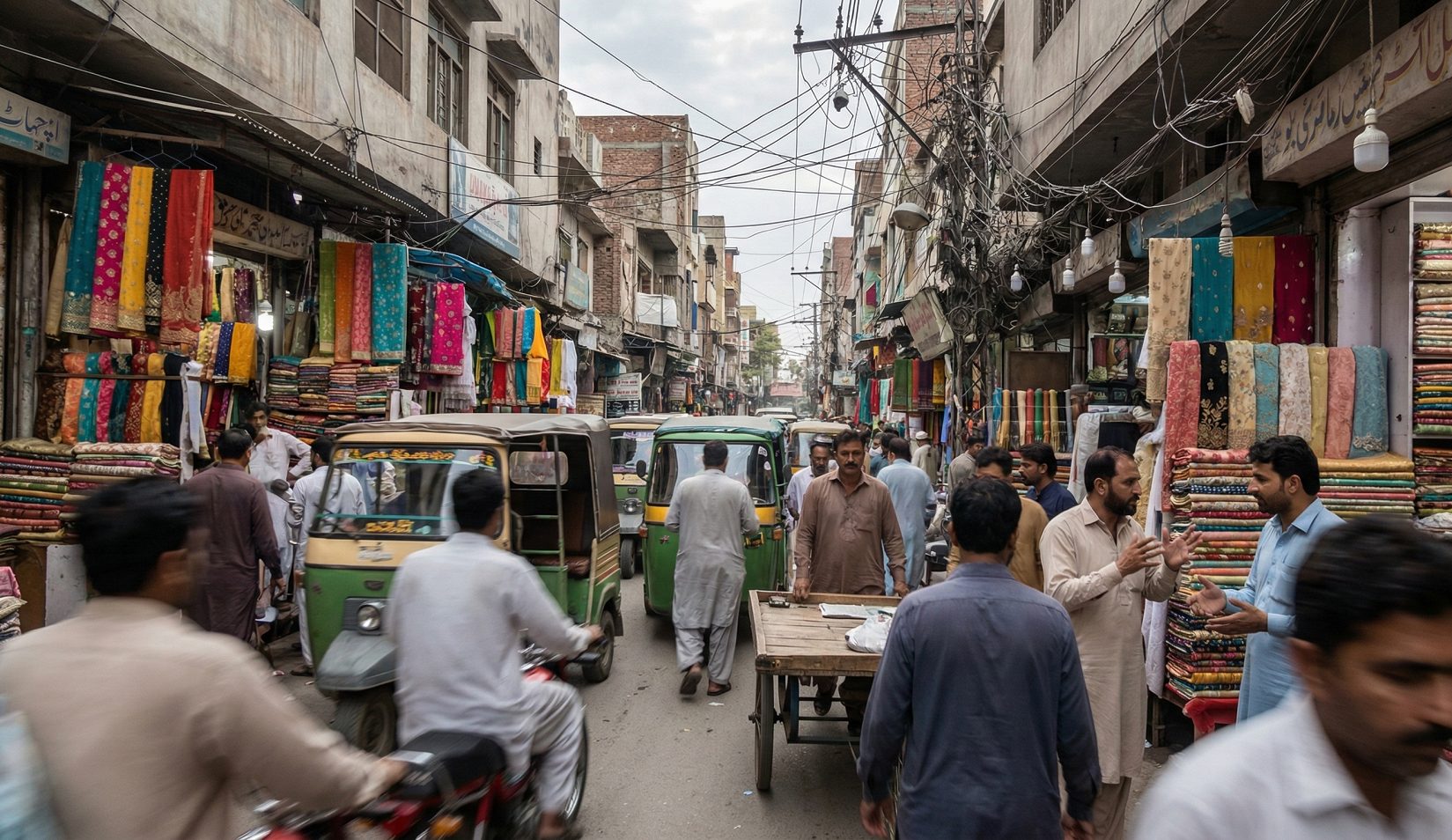
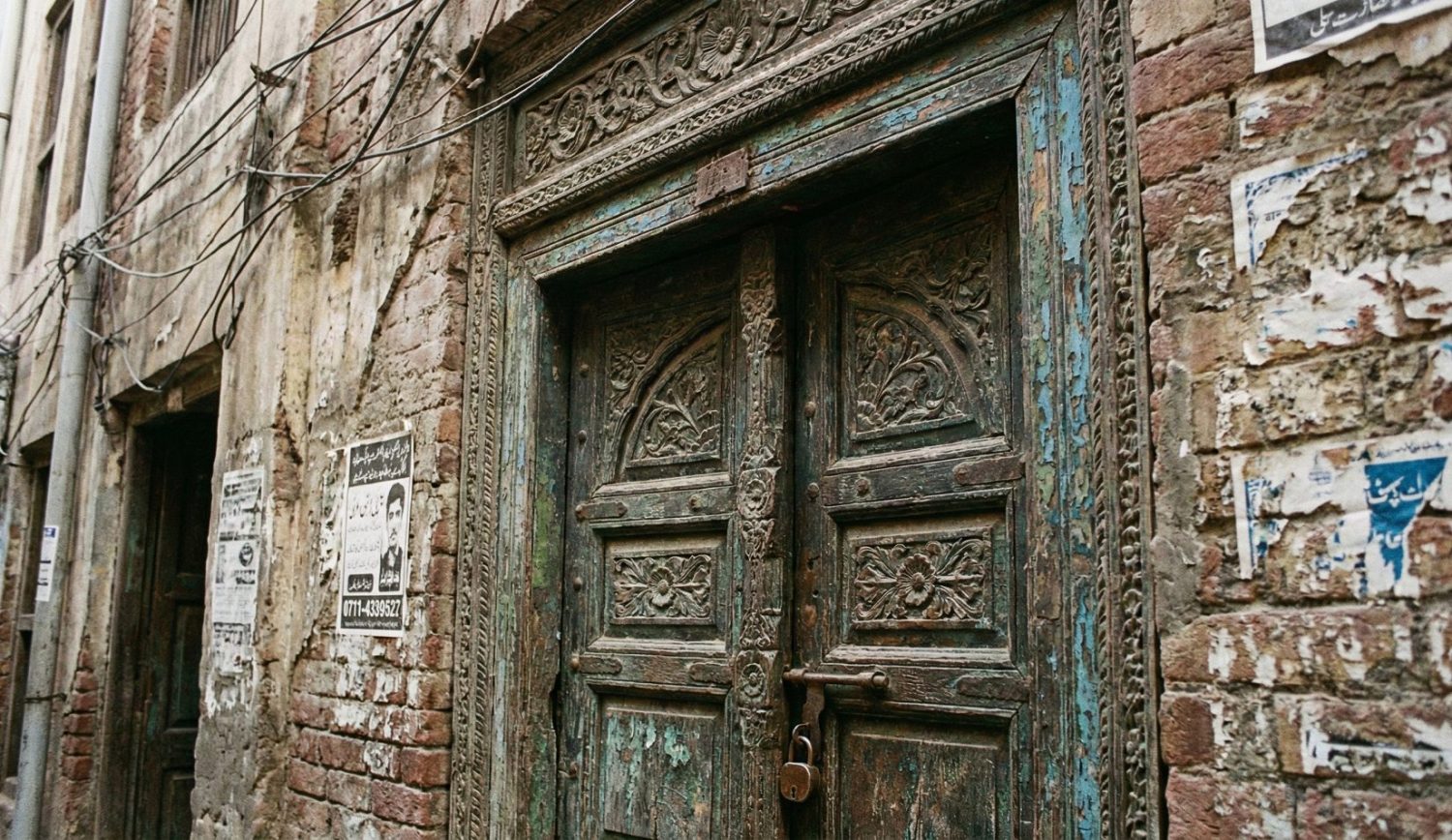
This is the 1,000-year-old core. A labyrinth of 13 gates, narrow alleys where two motorcycles can barely pass each other, and the highest concentration of history per square inch. The Vibe: Sensory overload, incredible street food, extreme crowds. The Trap: Don’t try to take an Uber deep inside here. You’ll sit in traffic for an hour. Use a rickshaw. Or your feet. Moving is better than sitting.
Gulberg & DHA
This is the “New Lahore.” If the Walled City is the past, Gulberg is the present. Think high-end fashion boutiques, specialty coffee shops, and wide boulevards. The Vibe: Modern, elite, and expensive. The Trap: It lacks the “soul” of the old city, but it’s where the best hotels are. Infrastructure is just better here.
| Feature | Walled City (Old) | Gulberg / DHA (New) |
|---|---|---|
| Walking score | High (Essential) | Low (Need a car) |
| Food Scene | Street Food / Traditional | Fine Dining / International |
| Noise Level | 11/10 (Pure Chaos) | Moderate |
| Best For | Photographers & History Buffs | Comfort & Nightlife |
2. Planning Logistics: The 2026 Reality Check
The “Visa on Arrival” Myth
In 2026, Pakistan’s E-Visa system is better, but “Visa on Arrival” is not what it sounds like. You can’t just show up and get a stamp. You must apply for an Electronic Travel Authorization (ETA) online at least 48-72 hours before you fly. Pro Tip: When the portal asks for your “Letter of Invitation” (LOI), a hotel booking is usually fine for most Westerners, but having a licensed tour operator’s letter makes it foolproof. Less stress is always good.
The Smog Factor: When NOT to Visit
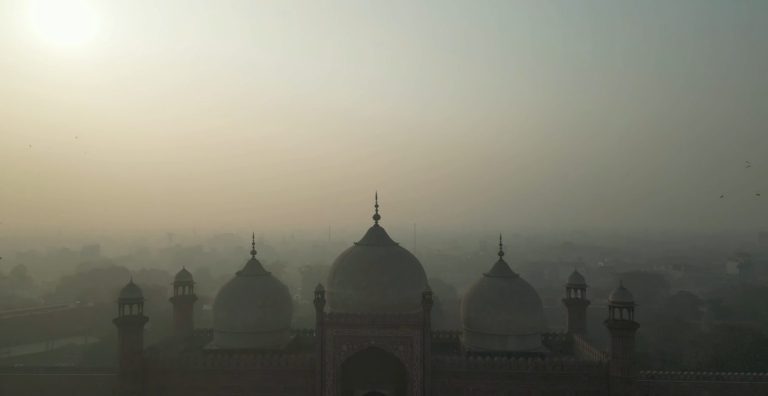
Lahore is spectacular, but from late November to mid-January, it has a serious problem: The Smog. It’s not just “fog” … it’s heavy air pollution that can cancel flights and shut down motorways. It’s unpleasant. The Sweet Spot: Late February to March. The weather is cool, the “Jashn-e-Baharan” (Spring Festival) is in full swing, and the air is clear enough to actually see the minarets of the Badshahi Mosque.
Connectivity: Don’t Rely on Roaming
International roaming will drain your bank account and give you 2G speeds. Buy a local SIM. The Snitch: Get Zong or Jazz. You will need your passport and a biometric thumbprint. Go to an official franchise—the one at Allama Iqbal Airport is easiest—rather than a small street shop to ensure the SIM is activated immediately. Waiting hours for a signal sucks.
3. Money & The “Cash is King” Rule
Despite the rise of digital apps, Lahore runs on Pakistani Rupees (PKR). It just does.
The ATM Struggle
Not all ATMs accept international cards. Look for Standard Chartered, HBL, or Bank Alfalah. They are the most foreigner-friendly. Warning: Always carry a backup of at least $100 in crisp, new USD bills. If the power goes out or the banking network glitches (it happens), money changers will only touch perfect-condition bills. No folds. No tears.
4. Health: Avoiding the “Lahore Belly”
You’re going to want to eat everything. The smell of spiced meat is everywhere. But if you aren’t careful, you’ll spend three days of your trip in a bathroom. Not fun.
The Water Rule
Never drink tap water. Not even for brushing your teeth if you have a sensitive stomach. Use bottled water (Nestlé Pure Life is the gold standard here).
The Street Food Strategy
Don’t eat at a stall that is empty. Follow the locals. If a place has a high turnover of customers, the food is fresh. Avoid “fresh fruit juices” from street carts where you can’t see the water source used for washing the glasses. Hygiene is a bit of a gamble sometimes.
Pro Tip: Start your trip with a guided food tour. A local guide knows which stalls have “cleaner” oil and better hygiene standards. It’s worth the $30 to save your stomach. Honestly, it’s a steal.
5. Safety & The Tourist Police
Is Lahore safe? Yes. Statistically, you are safer in Lahore than in many major US or European cities. In 2026, there is a dedicated Tourist Police force in the Walled City (look for the blue uniforms). They speak English and their entire job is to make sure you aren’t harassed.
The “Selfie” Tax
As a foreigner, you are a celebrity. People will ask for selfies. 99% of the time, it’s innocent hospitality. But if you’re in a hurry, a polite “No, sorry” is perfectly acceptable. You don’t owe anyone a photo. Just be nice about it.
If you only have 48 hours in Lahore, you’ll spend 40 of them in the Walled City. Seriously. This UNESCO-recognized core is where you find the heavy hitters of Mughal architecture, but here’s the thing: Google Maps won’t help you much here. The streets are too narrow, the history is too deep, and “unofficial” guides are literally everywhere. It’s a maze. A beautiful, confusing, loud maze.
1. The Big Three: Shahi Qila, Badshahi, and Wazir Khan
You can visit the Fort and the Badshahi Mosque in one go because they sit right across from each other in the Hazuri Bagh square. It’s convenient. Wazir Khan requires a 15-minute rickshaw ride deeper into the labyrinth, which is an experience in itself. Hold on tight.
The Lahore Fort (Shahi Qila)
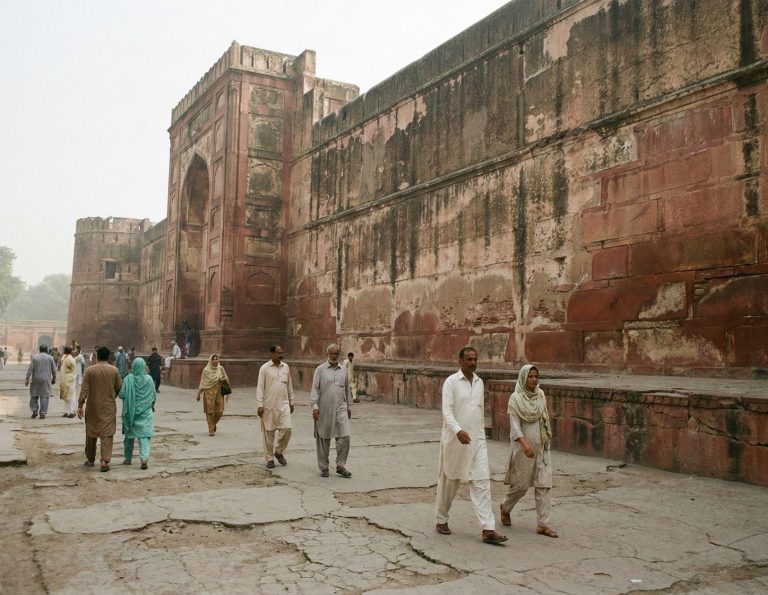
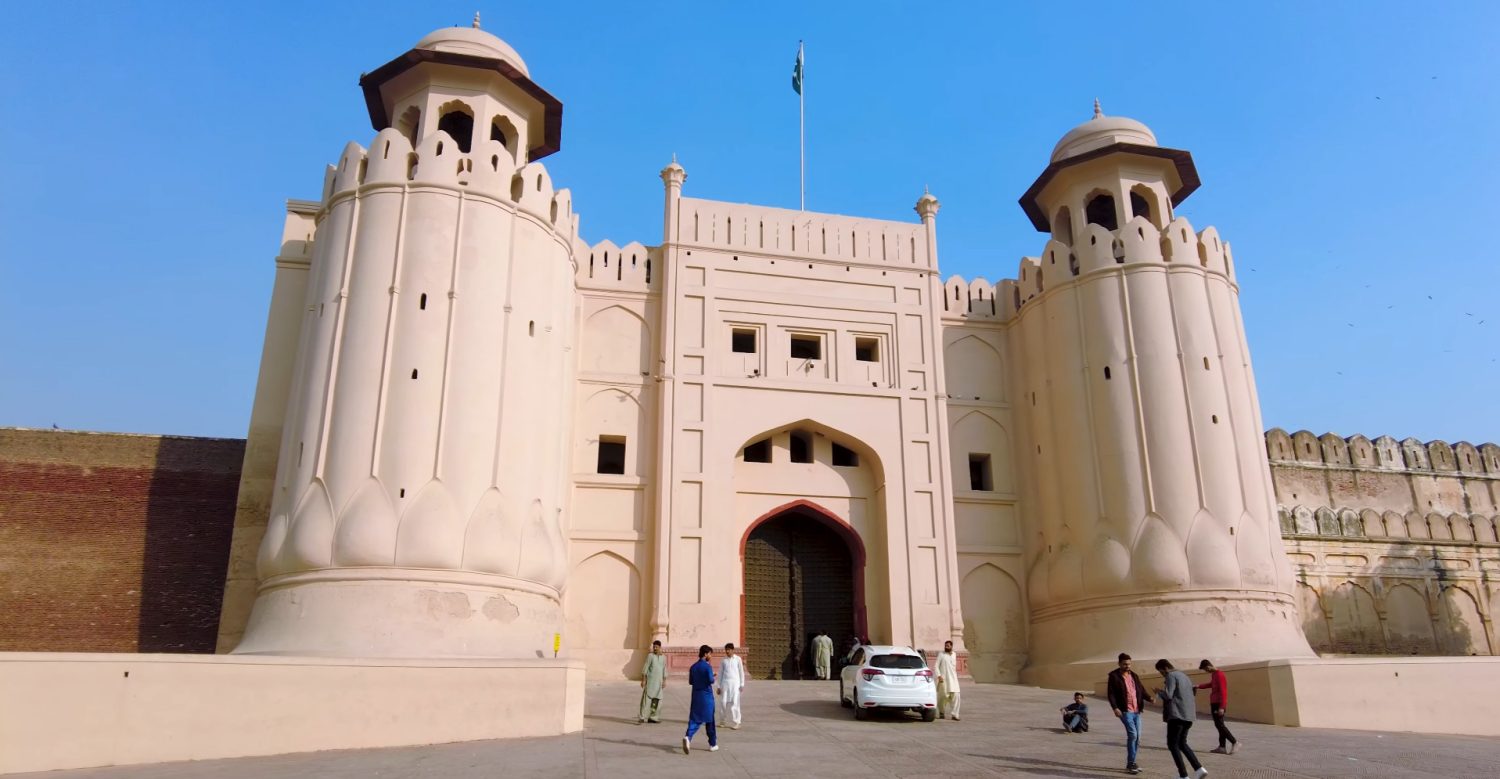
This is a massive citadel that has been destroyed and rebuilt for centuries. In 2026, the Sheesh Mahal (Palace of Mirrors) remains the crown jewel. It’s sparkly. The Trap: At the entrance, “government” guides will swarm you. Some are licensed, some aren’t. They’ll ask for 2,000–3,000 PKR. Honestly, if you don’t hire one, you’ll just be looking at old bricks without context. It’s worth the cash. LSI Tip: Don’t miss the Picture Wall—it’s the world’s largest wall adorned with vibrant mosaic tile work, which was recently restored. The colors are insane.
Badshahi Mosque
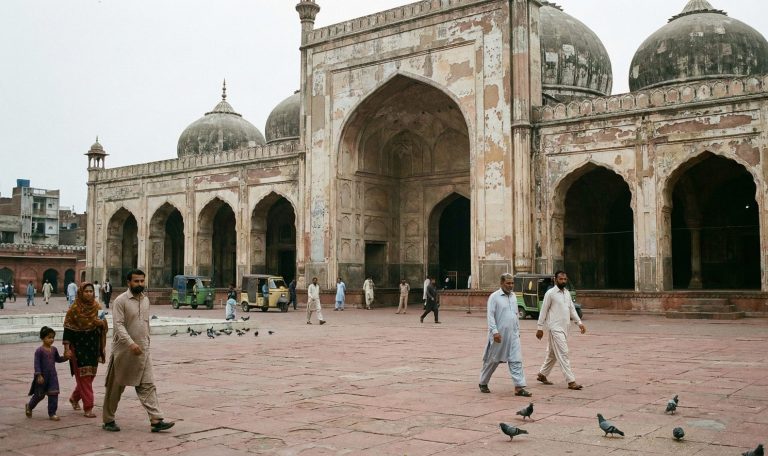
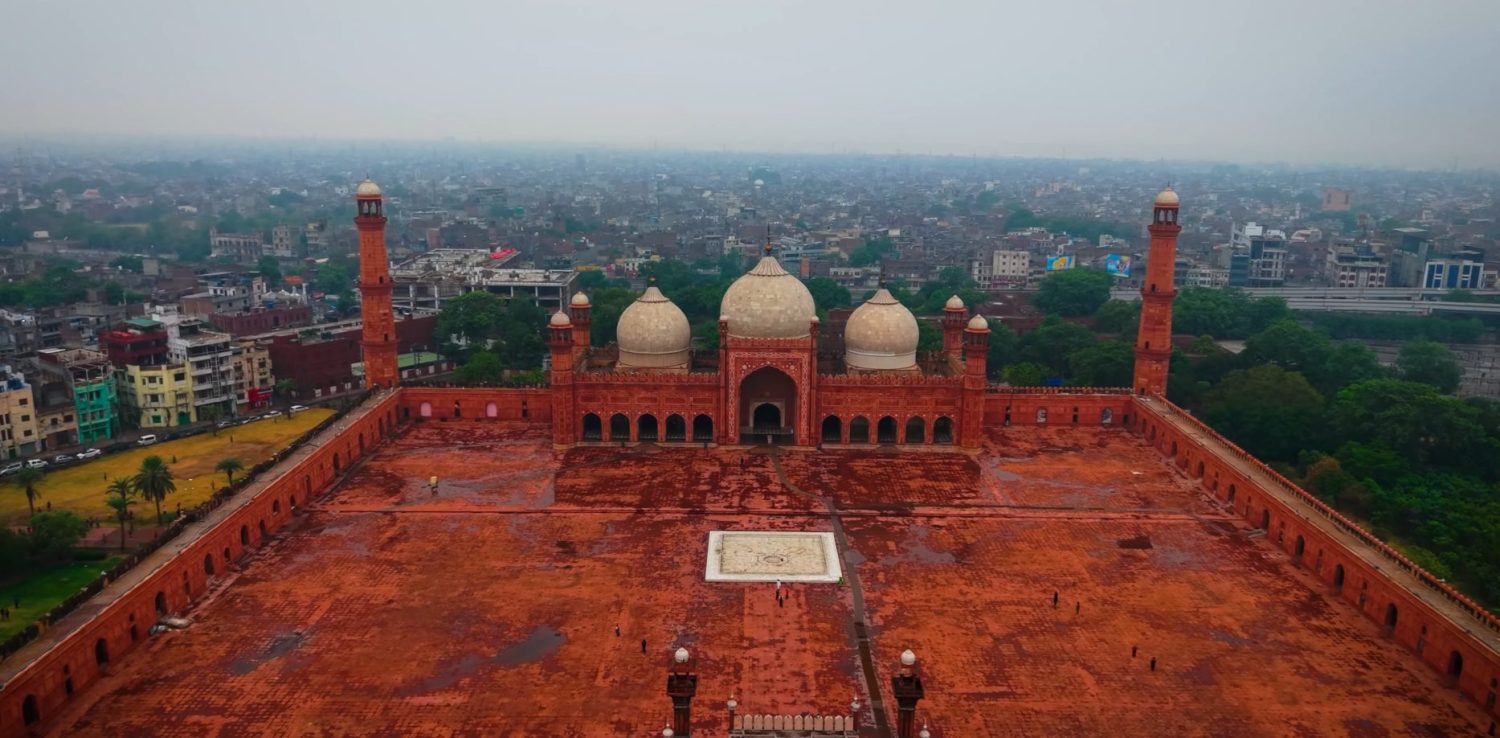
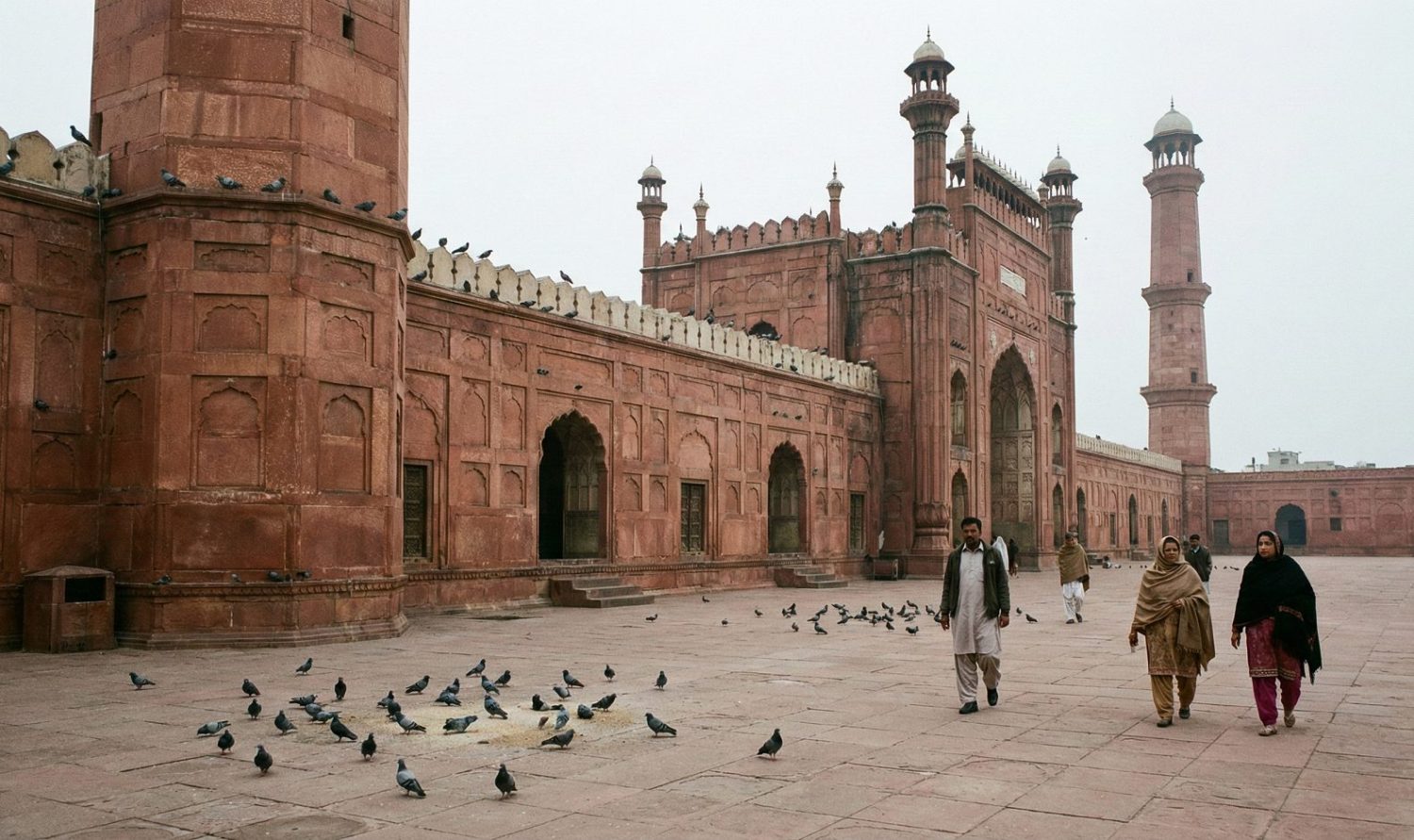
Directly opposite the Fort’s Alamgiri Gate. It’s grand, it’s red sandstone, and it’s free. It feels powerful just standing there. The 2026 Reality: Security is tighter now. If you bring a professional-looking DSLR, guards might try to stop you, claiming you need a “commercial permit.” The Fix: If you’re just a tourist, be firm. Or better yet, go at sunset when the light hits the marble domes—the guards are usually busier managing the crowds then and might leave you alone. Plus the light is better anyway.
Wazir Khan Mosque: The “Hidden” Masterpiece
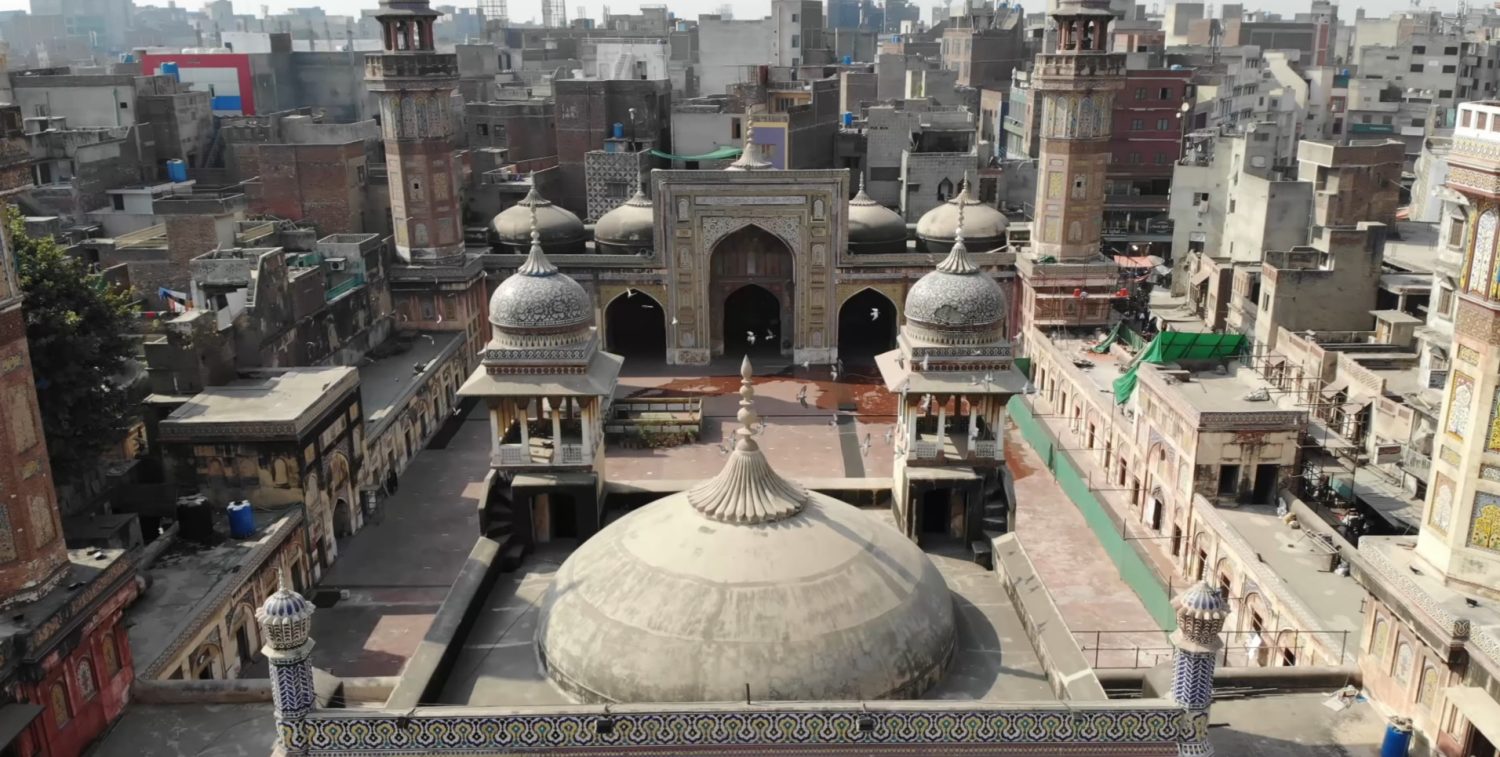
While Badshahi is about scale, Wazir Khan is about detail. It is famous for its Kashi-kari (tile mosaic) and intricate frescoes. I think it’s the prettiest building in the city. Pro Tip: Most people stay in the courtyard. Find a caretaker and ask (with a 500 PKR tip) to climb one of the minarets. The view over the Androon Sheher (Old City) rooftops is the best photo op in Pakistan. Period. Just don’t look down if you’re scared of heights … the stairs are tiny.
2. The Wagah Border Ceremony: Patriotism on Steroids
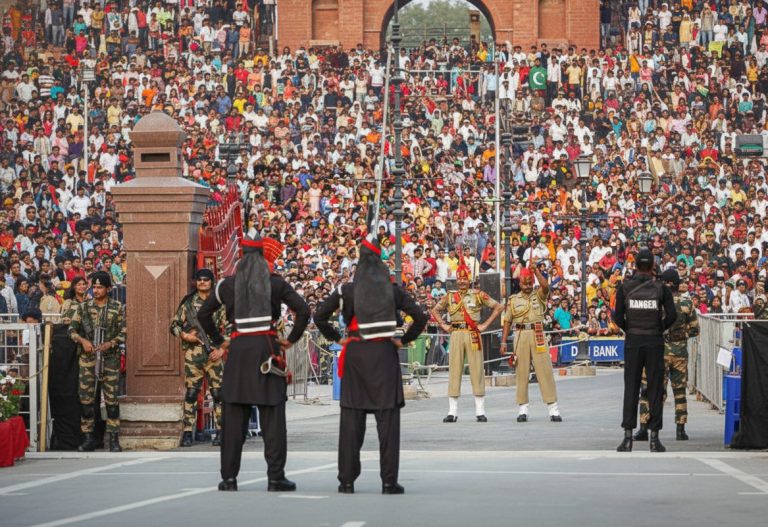
About 30km from the city center lies the border with India. Every evening, soldiers from both sides perform a high-kicking, aggressive flag-lowering ceremony. It’s loud, it’s theatrical, and it’s slightly surreal. Like a dance-off but with more shouting.
The “Foreigner VIP” Hack
While thousands of locals are packed into the stands like sardines, foreigners have a dedicated VIP section right near the gate. Use it. Logistics for 2026:
- Bring your Passport: No passport = No entry. No exceptions. They are very strict about this.
- Timing: The ceremony starts around 4:30 PM (Winter) / 5:30 PM (Summer). You need to leave Lahore at least 2 hours early because traffic is a beast.
- Security: Don’t bring big bags. They will be confiscated at the first checkpoint, and you’ll have to walk 500m back to store them. Just bring your phone and wallet.
3. The Commercial Reality: DIY vs. Guided Tours
You’ll be tempted to do all of this on your own to save money. I get it. But in a city where the “Royal Trail” from Delhi Gate to the Fort involves navigating 5,000 shops and 10,000 motorbikes, a guide isn’t a luxury—it’s a sanity saver. You’ll get lost. A lot.
| Attraction | DIY Cost (Entry + Transport) | Guided Tour Value |
|---|---|---|
| Lahore Fort | $5 (Foreigner Ticket) | High (Access to hidden chambers & history) |
| Walled City Walk | $0 (Stressful navigation) | Essential (Knows the best street food & hidden rooftops) |
| Wagah Border | $15 (Taxi/Careem) | Moderate (Guide handles the checkpoints/parking chaos) |
| Total Experience | Low Cost / High Stress | $40-$70 / High Insight |
The “Fake Guide” Alert
In the Old City, random kids or men will start walking with you and “explaining” things. If you listen for more than 30 seconds, they will expect payment. It’s annoying. If you don’t want a guide, say “No thank you, I have a booking” immediately. It works better than just saying “No” because it sounds like you’re already taken.
The Verdict: For the Fort and Mosque, you can DIY if you’ve done your homework. For the Walled City / Royal Trail, book a private walking tour. You will see 5x more in half the time and probably won’t get hit by a motorcycle.
If you leave Lahore without a “food coma,” you haven’t actually visited Lahore. Honestly. In this city, eating is more than a necessity—it’s a national sport, a religion, and a chaotic obsession. But where you eat and where you sleep will determine whether you remember Lahore as a royal dream or a logistical nightmare that makes you want to scream.
1. The Food Scene: From Street Dhabas to Rooftop Fine Dining
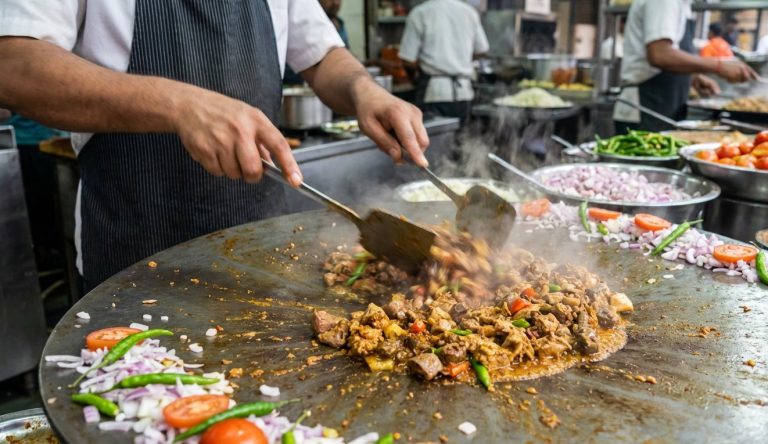
Lahore is the culinary capital of Pakistan. The flavor profile here is heavy on Ghee (clarified butter), slow-cooked meats, and spices that will make a novice cry. It’s intense. Here is how to navigate it like a pro.
The Icons: Gawalmandi vs. Fort Road Food Street
There are two main “Food Streets” you need to know. Don’t mix them up:
- Fort Road Food Street: This is the “tourist-friendly” one. It’s a pedestrianized street with stunning views of the Badshahi Mosque. Go here for the vibes and photos. The food is okay, but you’re mostly paying for the view and the lack of motorcycles buzzing your shins.
- Gawalmandi: The original, gritty heart of Lahori food. It’s loud, crowded, and authentic. Go here for the soul. It’s messy. It’s real.
The “Must-Eat” LSI Checklist:
- Nihari: A slow-cooked beef stew that is traditionally eaten for breakfast. Warning: it’s heavy enough to put you back to sleep by 10 AM. It’s basically a hug in a bowl, but a very greasy one.
- Butt Karahi: Probably the most famous name in Lakshmi Chowk. Their mutton karahi is legendary. Don’t ask about the name… just eat.
- Phajja Siri Paye: Located in the Walled City. It’s goat trotters. Look, it’s an acquired taste, but it’s the ultimate Lahori badge of honor. You either love it or you can’t look at it.
- Lassi: A massive glass of yogurt-based drink. In Lahore, they often top it with a “Pera” (a sweet milk ball) or a dollop of fresh cream. It’s a meal in itself.
Pro Tip: Seriously, avoid salads or raw vegetables at street stalls. If it isn’t boiled, fried, or grilled at 200°C, don’t put it in your mouth. Your stomach will thank you later when you aren’t stuck in a bathroom.
2. Where to Stay: Why Gulberg is the Only Real Option
New travelers often make the mistake of trying to find a “traditional boutique hotel” inside the Walled City. Don’t do it. Just… don’t. Most of those places lack proper soundproofing and reliable plumbing. For a 2026 trip, you want to stay in Gulberg. Maybe DHA if you’re feeling fancy, but Gulberg is the sweet spot.
The Logic
Gulberg is the modern center. It has the best security, the fastest Wi-Fi, and it’s the only place where you can find international standard boutique hotels. It’s centrally located—halfway between the Old City and the elite cafes of DHA. Traffic is still a nightmare, but at least you’re in the middle of it.
| Area | Pros | Cons |
|---|---|---|
| Gulberg | Best hotels, luxury malls, safe streets. | 30-min commute to the Old City. |
| DHA (Defence) | Ultra-modern, quiet, best Western cafes. | Too far from the historical sites. |
| Mall Road | Colonial charm, central location. | Heavy traffic, older hotel buildings. |
Looking for specific hotel recommendations? Check out our full Lahore accommodation guide for the best deals on Booking.com.
3. Shopping: Anarkali and the Art of Haggling
You’ll likely want to bring back some leather goods, pashminas, or brassware. But in Lahore, the price you are quoted is rarely the price you should pay. It’s a game. Play it.
Anarkali Bazaar
This is one of the oldest surviving markets in South Asia. It’s divided into the “Old” (mostly textiles and traditional items) and “New” (modern electronics and clothes). The Rule: If you are a foreigner, the “Starting Price” is automatically 3x the local price. Don’t take it personally. The Strategy: Smile, act like you know the real value, and counter with 40% of their offer. If they don’t budge, start walking away. They will almost always call you back with a “special price.”
What to Buy:
- Leather Goods: Pakistan is a major exporter of leather. You can get custom-made jackets or boots for a fraction of Western prices. Seriously, the quality is insane.
- Khussa: Traditional embroidered Punjabi footwear. Cheap, colorful, and a great souvenir. Your feet might hurt for a bit, but they look great.
- Pashminas: Look for shops in Liberty Market for higher quality than the street stalls in Anarkali.
4. Final 2026 Travel Checklist
Before you head to the airport, make sure you’ve checked these off. You’ll thank me later.
- Apps: Download Careem (for rides—it’s better than Uber here) and Foodpanda (for late-night cravings).
- Cash: Have at least 10,000 PKR in small bills. Rickshaw drivers “never have change.” It’s a classic move.
- Dress: Men—keep your shirts on, please. Women—always have a scarf (dupatta) handy for mosques or conservative areas.
- Power: Pack a Type C/D adapter and a power bank. While “load shedding” (power cuts) is better in 2026, it still happens. Usually when you’re at 2% battery.
Conclusion: The Chaos is the Point
Lahore will frustrate you. It will make you sweat. It will overwhelm your senses until you feel dizzy. But it is also one of the few places left on earth that feels entirely authentic. It hasn’t been “sanitized” for tourism yet. Explore it with an open mind (and a strong stomach), and you’ll realize why people have been fighting over this city for over a thousand years. It’s addictive.
Planning your trip? Don’t miss our other guides: