How to Visit Wagah Border: Tours, Timing & Tips
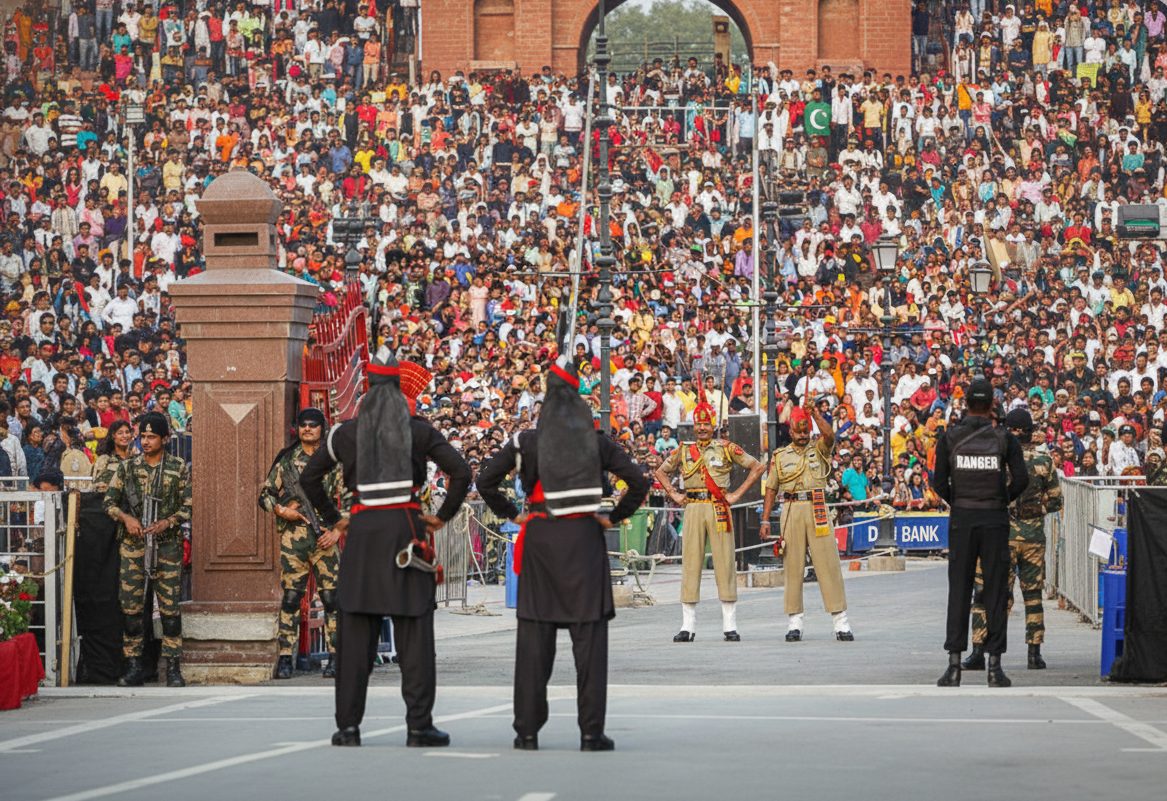
If you leave Lahore without seeing the Wagah border ceremony, did you even visit Lahore? It’s the ultimate “only in Pakistan” experience. It’s hard to describe if you haven’t seen it—it’s part military parade, part aggressive dance-off, and part high-octane sporting event. It’s essentially two countries (Pakistan and India) standing a few inches apart, shouting their love for their respective nations at the top of their lungs while doing high-kicks that would make a rockstar jealous.
I remember my first time going. I expected a solemn, quiet flag-lowering. What I got was 50,000 watts of nationalism, a guy in a green suit whipping the crowd into a frenzy, and soldiers with impressive mustaches stomping the ground so hard you could feel it in your teeth. It’s chaotic, it’s loud, and it’s absolutely brilliant. But it’s also a logistical nightmare if you don’t know the “unwritten rules” of the border. I’ve seen tourists miss the whole thing because they got stuck in a bag-check line they didn’t even need to be in. Honestly, it’s heartbreaking to watch someone get turned away after an hour in the sun.
What Is the Wagah Border Ceremony?
The Wagah border is the only functioning road crossing between Pakistan and India (at least for now). Every evening before sunset, both countries perform a synchronized flag-lowering ceremony. On the Pakistan side, it’s all about the “Pakistan Zindabad” (Long Live Pakistan) chants. The energy is infectious, even if you don’t understand half of what’s being shouted.
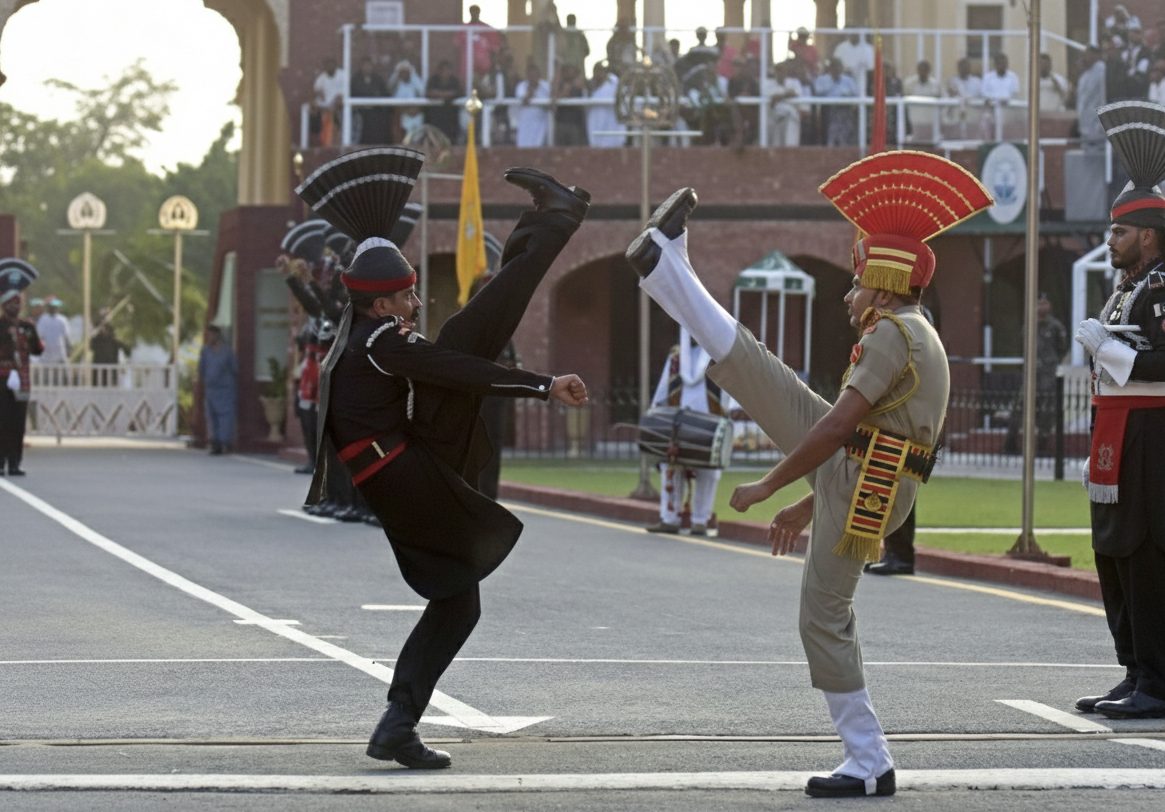
The soldiers wear these incredible fans on their heads and boots with metal plates so every step sounds like a gunshot. They march toward the gate, glare at the Indian soldiers on the other side, perform some incredible footwork, and then lower the flags in perfect unison. It sounds tense, and technically it is, but it’s also weirdly theatrical. There’s no actual animosity in the air—it’s more like an incredibly intense rivalry between two football teams. It’s worth going just to see the sheer athleticism of the soldiers; I’m pretty sure I’d pull a muscle just trying to stand the way they do.
Timing: The Most Confusing Part
Timing is where most people mess up. They look at the “official” start time online and think they can just roll up five minutes before. No. Do not do this. If you do, you’ll be watching the ceremony from the back of a three-mile-long security line, or worse, the gates will be locked in your face.
The ceremony time changes depending on the sunset. In 2026, the general rule is:
- Summer (April to October): Usually starts around 5:15 PM or 5:30 PM.
- Winter (November to March): Usually starts around 4:15 PM or 4:30 PM.
My rule of thumb: You need to leave central Lahore (Gulberg or the Old City) at least 2.5 hours before the ceremony is scheduled to start. The distance is only about 30 kilometers, but as I’ve hammered home in my Lahore transport guide, “distance” and “travel time” are two completely different concepts here. Between the traffic on Grand Trunk Road and the multiple security checkpoints at the border, you’ll need every minute of that cushion. If you arrive at the gate later than 45 minutes before the start, your chances of getting a decent seat—or any seat—drop to zero. Just grab a water and wait; it’s better than rushing.
Logistics: How to Get There Without Losing Your Mind
You have a few ways to get to Wagah, and your choice depends on how much you enjoy sweating in a rickshaw. Personally, I’ve done the rickshaw route once—never again. The dust on the road to Wagah is legendary and not in a good way.
| Transport Method | Approx Cost (Return) | Comfort Level | The Reality |
|---|---|---|---|
| Uber / Indriver | $12 – $18 | Medium | Convenient, but some drivers will refuse to wait for you. You’ll be stranded. |
| Private Car / Tour | $35 – $60 | High | The best option. Your driver waits exactly where they dropped you. Zero stress. |
| Rickshaw | $6 – $10 | Very Low | You will arrive covered in dust and deaf from the engine noise. Only for the hardcore. |
If you’re looking at best Lahore tours and experiences, you’ll see many that include Wagah as a half-day trip. If it’s your first time in Pakistan, this is honestly the way to go. Having someone who knows exactly where to park and which gate to run to is worth the extra $20. Trust me on that. It’s the difference between a great story and a massive headache.
The most direct fit for this guide: private hotel pickup, an English-speaking guide, Shalimar Gardens and the Wagah flag ceremony in one manageable half-day trip.
The Foreigner Section: Your Golden Ticket
Here’s the best news you’ll hear all day: being a foreigner at the Wagah border actually comes with a massive perk. While the local sections are packed tighter than a tin of sardines, there is a dedicated “Foreigner Gallery.” It’s closer to the gates, has a better view of the high-kicking action, and is significantly less crowded. Honestly, it’s a lifesaver.
But there’s a catch—you must have your original passport with you. A photo on your phone won’t cut it. The guards at the final checkpoint will check it, and if you don’t have the physical book, you’ll be sent to the general seating. Trust me, in the 40-degree heat of a Lahore summer, you want that foreigner section. It’s the difference between seeing the sweat on the soldiers’ foreheads and just seeing a sea of heads. Even if you’ve read about how safe Lahore is for tourists, don’t get complacent with your documents here; the military runs this show, and they are very strict. No exceptions.
The Security Gauntlet: What NOT to Bring
If I could give you only one piece of advice for Wagah, it would be this: leave everything in the car. The security here makes airport screening look like a casual walk in the park. You will go through at least three separate body searches and metal detectors. It’s intense.
The list of prohibited items is long and sometimes seems a bit random. To save you the heartbreak of having to walk a mile back to your car to drop off a bag, here is what is usually banned:
- Bags of any kind: This includes backpacks, large handbags, and even small “man-purses.” If it’s a bag, it’s staying in the car. Period.
- Power banks: For some reason, these are often flagged as security risks. Charge your phone before you leave.
- Lighters and cigarettes: Just don’t. It’s not worth the hassle.
- Large professional cameras: Sometimes they allow DSLRs, but if you show up with a massive 600mm lens, you’re going to have a long, annoying conversation with a man in a camouflage uniform.
Basically, take your phone, your passport, some cash for water, and your car keys. Put them in your pockets. That’s it. Anything else is just asking for a logistical headache you don’t need.
Private Tour vs. DIY: Is a Guide Necessary?
You can absolutely do Wagah on your own by just hiring a car and driver. But this is one of those situations where having a “fixer” changes the entire experience. As I explained in the guide on private Lahore city tours, the real value of a guide in Pakistan isn’t just the history lessons—it’s the navigation of bureaucracy. And there’s a lot of it here.
A good guide knows exactly which parking lot is closest to the gate (saving you a 20-minute walk in the dust). They know the guards. They know exactly when to start moving toward the exit so you don’t get stuck in the 30,000-person bottleneck at the end. If you’re doing it DIY, you’ll be fine, but you’ll be doing a lot of guessing. If you’re with a guide, you’re just along for the ride. It’s much more chill.
A strong one-day option combining Lahore Fort, the Walled City and major city sights with the Wagah Border ceremony at the end of the day.
Survival Tips for the Ceremony
Once you’re in your seat, the fun starts, but so does the endurance test. Here is how to survive the “show”:
- Hydrate before you enter: Once you are past the final checkpoint, finding a bottle of water can be a mission. Drink plenty before you leave the car. You’ll thank me later.
- The Sun Factor: In the afternoon, the sun beats down directly on the Pakistani stands. Bring sunglasses and maybe a hat. Just remember that you might have to take the hat off during the national anthem out of respect.
- The “Exit Sprint”: The moment the flags are lowered and the gates are slammed shut, everyone—and I mean everyone—runs for the exit. It’s a chaotic rush. If you want to avoid being stuck in the parking lot for an hour, leave about 5 minutes before the very final handshake, or just wait in your seat for 20 minutes until the crowd thins out. Don’t get caught in the middle.
Common Mistakes at Wagah Border
The biggest mistake I see? People trying to do Wagah on the same day they arrive in the city or the day they have a flight out. I’ve mentioned this in my list of common travel mistakes in Lahore—the “Wagah Factor” is real. You think you’ll be back in Lahore by 7 PM, but a VIP convoy or a random road closure can easily push that to 9 PM. Don’t risk it.
Another classic error is forgetting that the border is literally a military zone. It’s tempting to try and get “edgy” photos of the fences or the guards, but always ask before you point your camera at anything that isn’t the stadium area. The soldiers are generally happy to pose for a photo with you after the ceremony, so just wait for the right moment. Be cool.
Choose this when Wagah is essential but you want more control over the rest of the day, with the option to combine the border with the Lahore sights that matter most to you.
Wagah is loud, it’s sweaty, and it’s a little bit ridiculous. But when the crowd starts roaring and the sun begins to set over the horizon… man, you’ll feel a level of energy that you won’t find anywhere else in the world. It’s the beating heart of the Punjab, and even if you aren’t a fan of military parades, the sheer human spectacle of it is something you’ll be talking about for years. Truly.