The Ultimate 3-Day Lahore Itinerary
If you’re reading this, you’ve probably already figured out that Lahore isn’t a place you simply “visit.” You experience it. Usually while sweating. Sometimes while standing still and wondering how five motorbikes just squeezed through an alley clearly designed for one stubborn donkey. Most people mess this up by treating Lahore like a museum. They want the Big Three — the Fort, the Mosque, the Border — then they’re out. I’ll be blunt: if that’s your plan, you’re going to miss the entire point.
Lahore is the cultural lungs of Pakistan. It’s older than your country’s history, louder than your worst nightmare, and friendlier than you’re prepared for. After spending far too much time peeling back its layers, I’ve landed on this truth: three days is the minimum to actually get it. Any less and you’re just staring at bricks. Any more and the noise might start doing strange things to your sanity. This guide is for people who want to feel the city, eat things they can’t pronounce, and finally understand why every Pakistani eventually asks, “But have you been to Lahore yet?”
Before Day 1, reset your expectations. In Lahore, a “plan” is more of a loose suggestion. You will be delayed by a wedding procession. You will be stopped by someone who wants a selfie. You will get lost in a bazaar that never appeared on your map. Let it happen. That’s the real itinerary.
A three-day guided alternative covering the Walled City, Lahore Fort, Badshahi Mosque, Lahore Museum, Shalimar Gardens and Wagah Border without having to coordinate each day yourself.
Day 1: The Walled City — Where Time Is Just a Concept
Your first day belongs to the Old City, Androon Sheher. This is original Lahore — a dense knot of history packed inside what used to be massive defensive walls. Most of the walls are gone now, but the gates survived, and the energy inside them is unmatched. Strong advice: don’t even think about bringing a car through the gates. You’ll lose. Badly. Get an Uber to Delhi Gate, step out, and accept that your feet are about to work overtime.
The Entrance: Delhi Gate and the Royal Bath
Delhi Gate is the classic starting point, but don’t rush it. This was the ceremonial entrance for Mughal emperors arriving from Delhi. Just inside, half-hidden and easy to miss, is the Shahi Hammam. The first time I walked in, I expected dust and decay. Instead — silence, cool air, and a beautifully restored 17th-century Persian-style bathhouse. The ceiling frescoes are original. The brickwork glows softly when the light hits it right. It’s calm. Too calm. Enjoy it. This is the last quiet moment you’ll have for hours.
The Royal Trail: Sensory Overload, No Filter
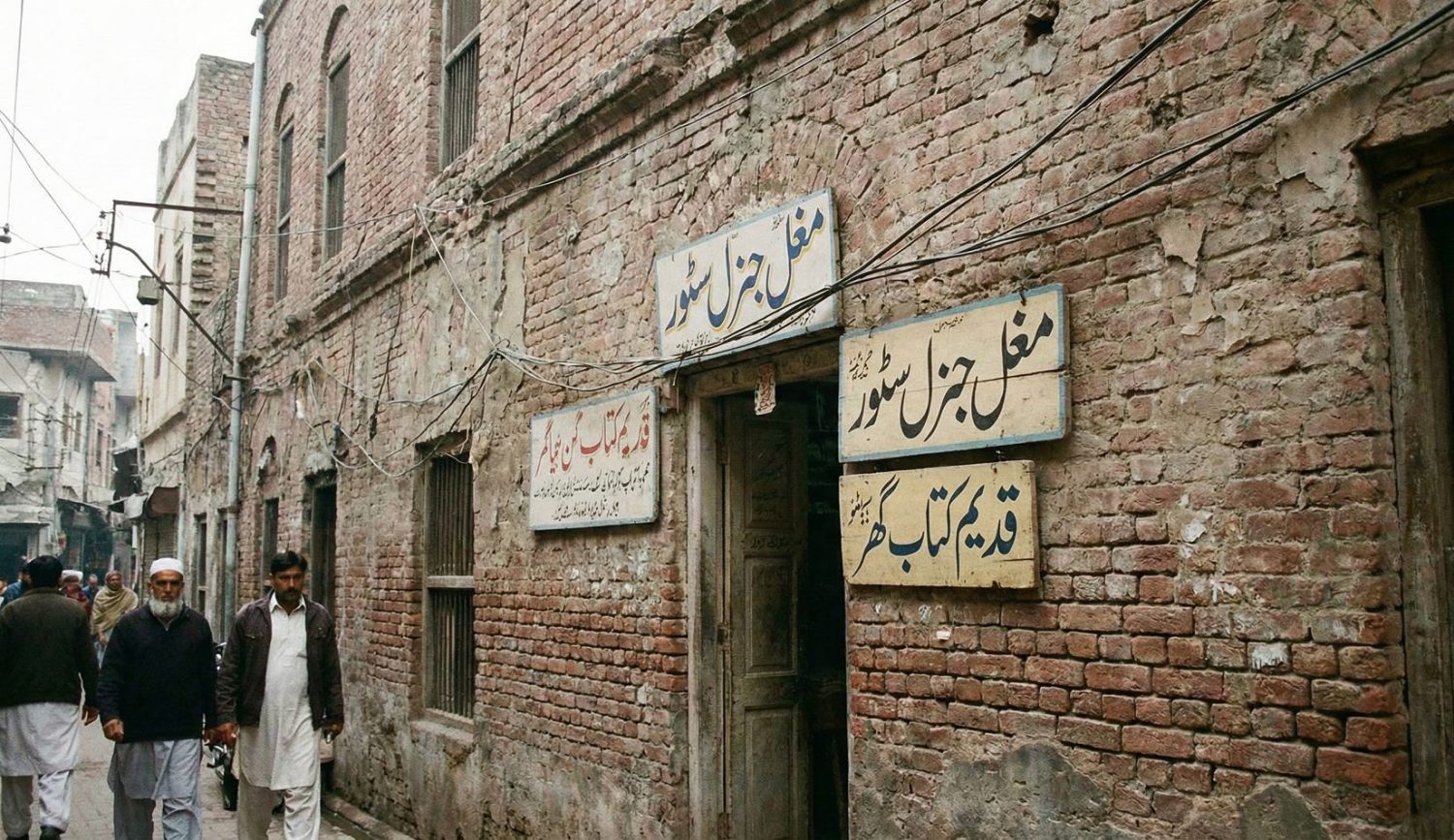
Step back outside and you’re on the Royal Trail, the Shahi Guzargah. This is not a polished tourist corridor. It’s alive. You’ll dodge motorbikes, smell turmeric and frying oil, hear metal being hammered into shape. Loud. Dusty. Completely addictive. Look up when you remember — the old balconies, the jharokas, are crumbling but still show craftsmanship we don’t bother with anymore.
The destination is the Wazir Khan Mosque. I’ve seen mosques all over the world. This one hits differently. Not because it’s massive, but because of the kashi-kari — tilework so intricate it looks stitched, not laid. Every surface blooms with floral and geometric patterns. Don’t stop at the courtyard. Find a caretaker. Be polite. Maybe slip a little kharchi. If you’re lucky, you’ll be guided up a narrow minaret staircase. From the top, you don’t just see Lahore — you see controlled chaos. Wires. Laundry. Pigeons. An endless, breathing city. Best view. No contest.
The Midday “Survival” Lunch
By now your brain is buzzing and your stomach is angry. This is the food capital, so don’t insult it by hunting for a sandwich. You want Haleem or Bong Paye. Find a stall where locals are clustered around massive metal pots. If hygiene worries you — something I break down in my food safety section — pick the busiest place. High turnover saves lives. Grab a naan straight from the tandoor, still blistered, and dig in. Eat with your hands. Everyone else is. Don’t stress the grease. It’s part of the deal.
The Heavy Hitters: Lahore Fort (Shahi Qila)
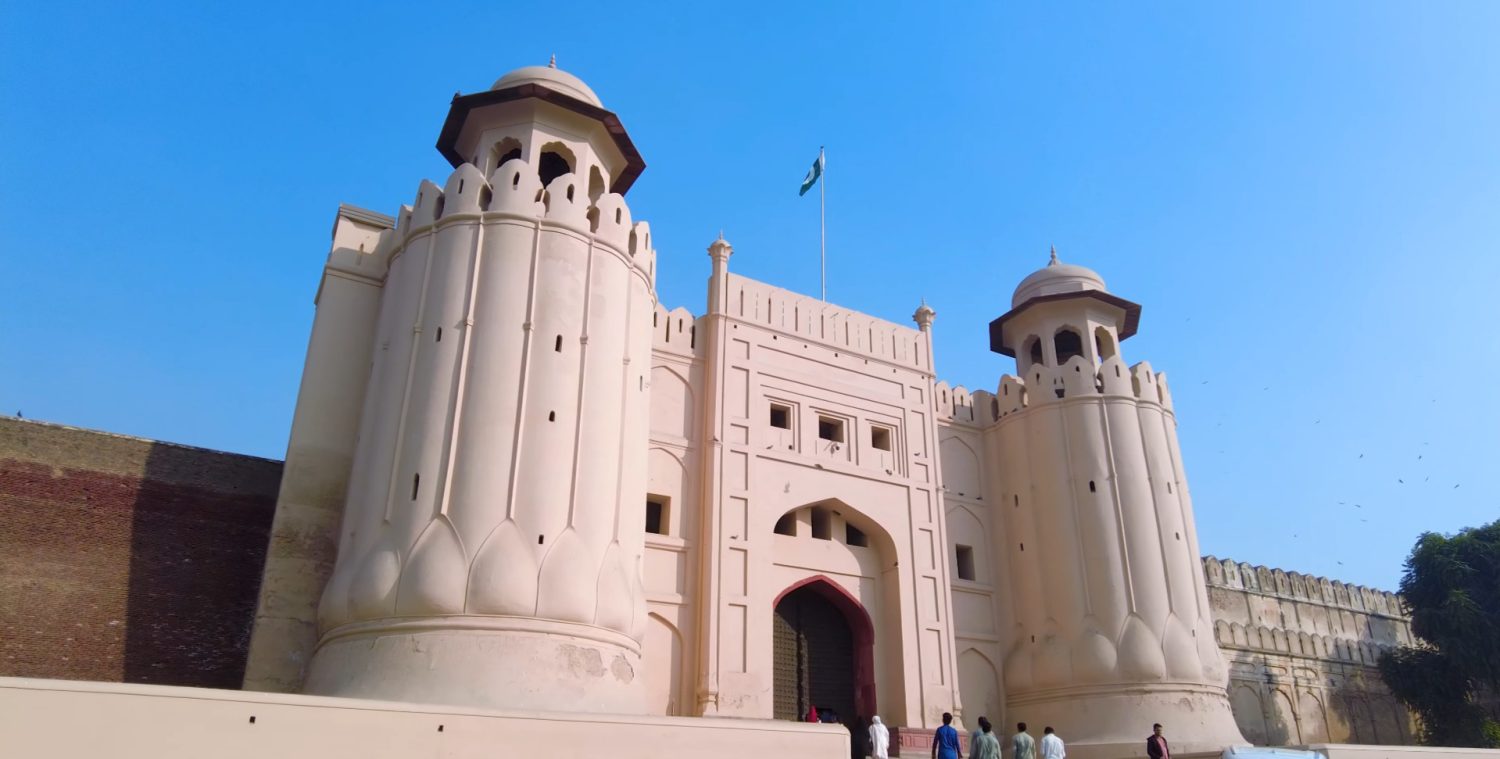
After lunch, drift toward the Lahore Fort. It’s enormous — Mughal, Sikh, British layers stacked in brick and marble. Don’t try to see everything unless you enjoy exhaustion. Focus on the Sheesh Mahal, the Palace of Mirrors. Built for an empress who wanted stars indoors. Thousands of tiny mirrors catch even the faintest light, turning the room into a galaxy. Still stunning. Crowds and all. Also, don’t skip the Picture Wall — one of the largest mural walls on earth. Elephant battles. Angels. Court life. Basically a 17th-century Instagram feed carved in tile.
Sunset at the Badshahi Mosque
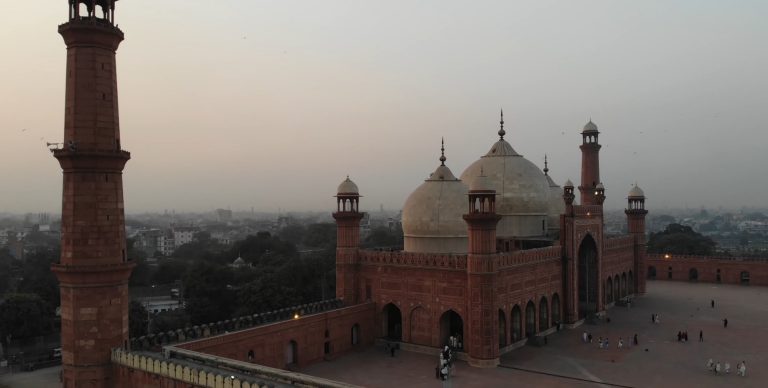
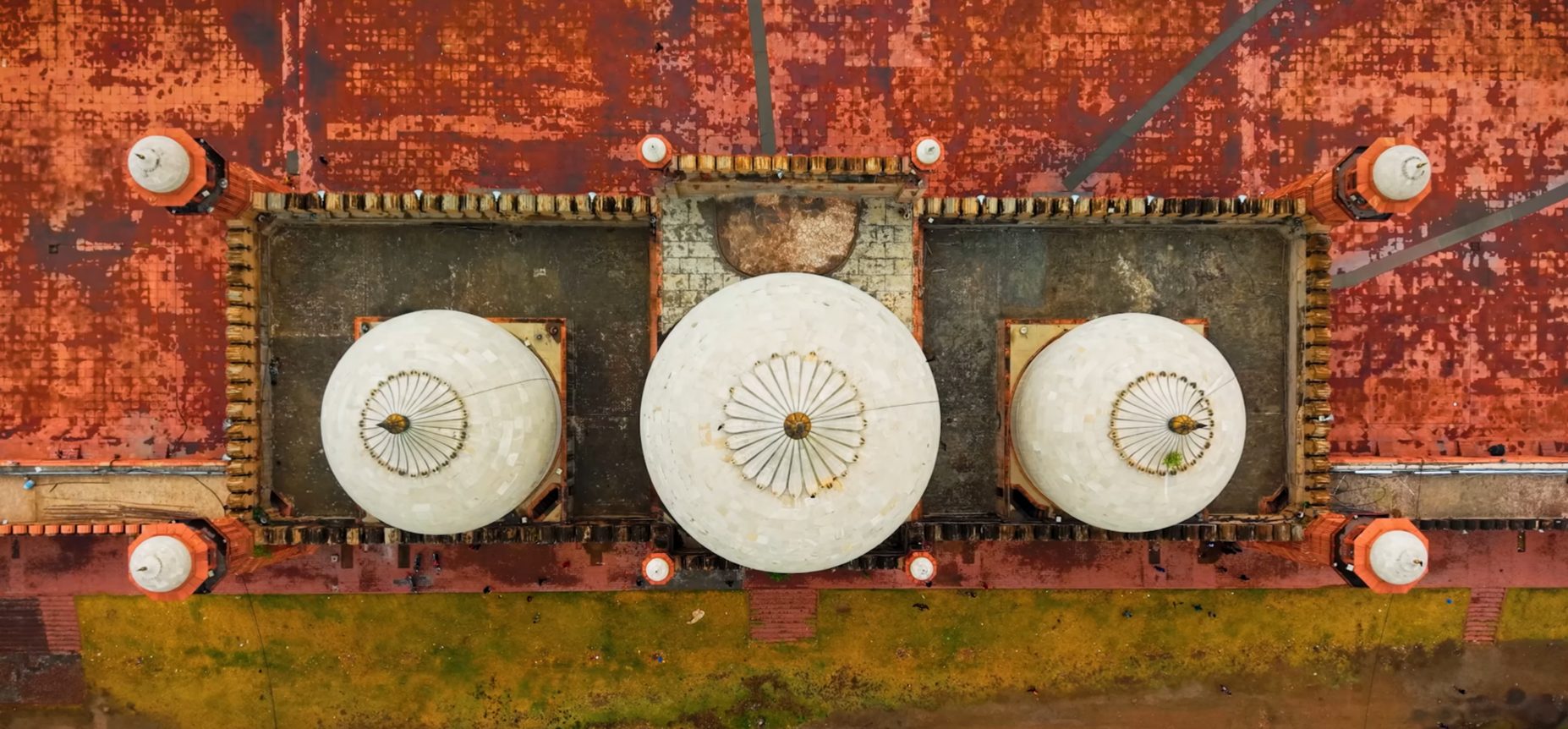
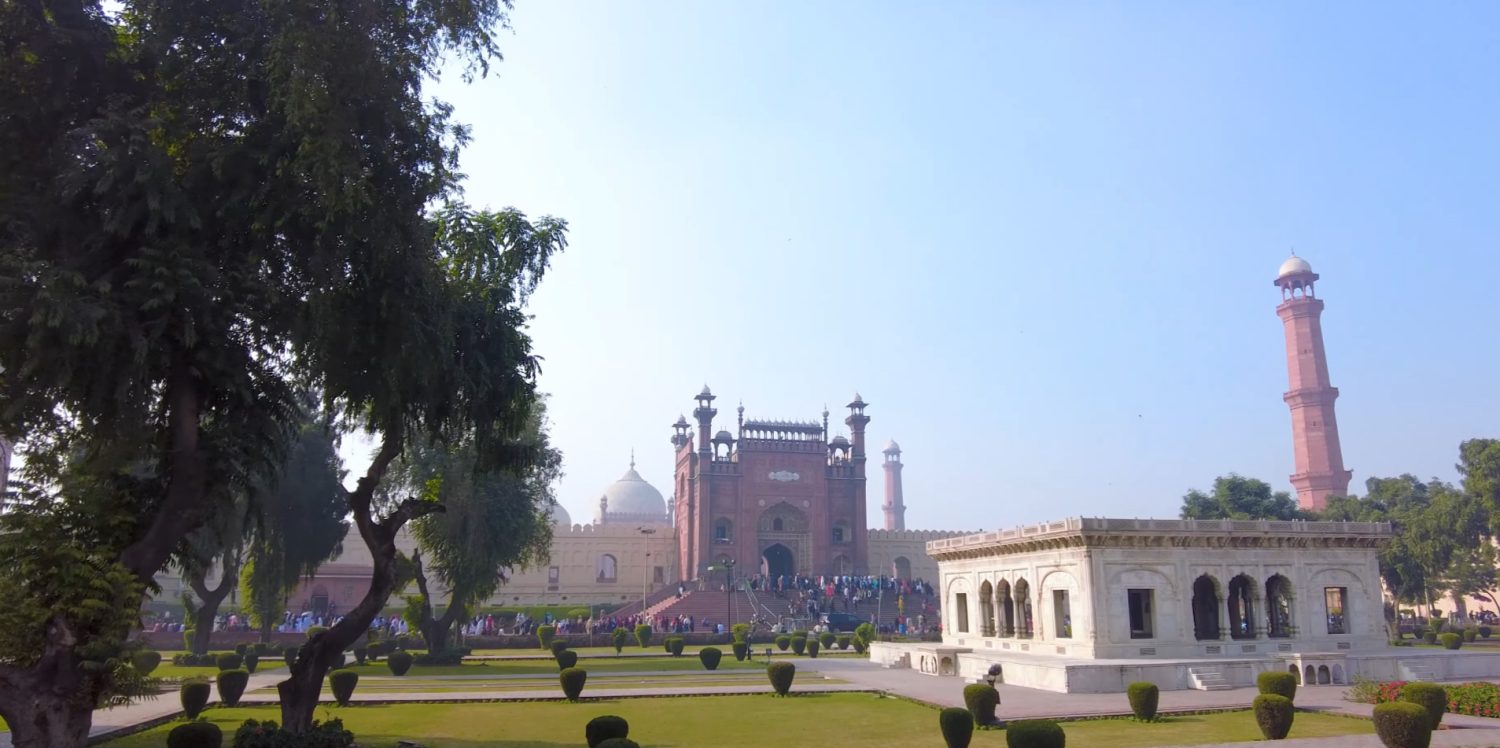
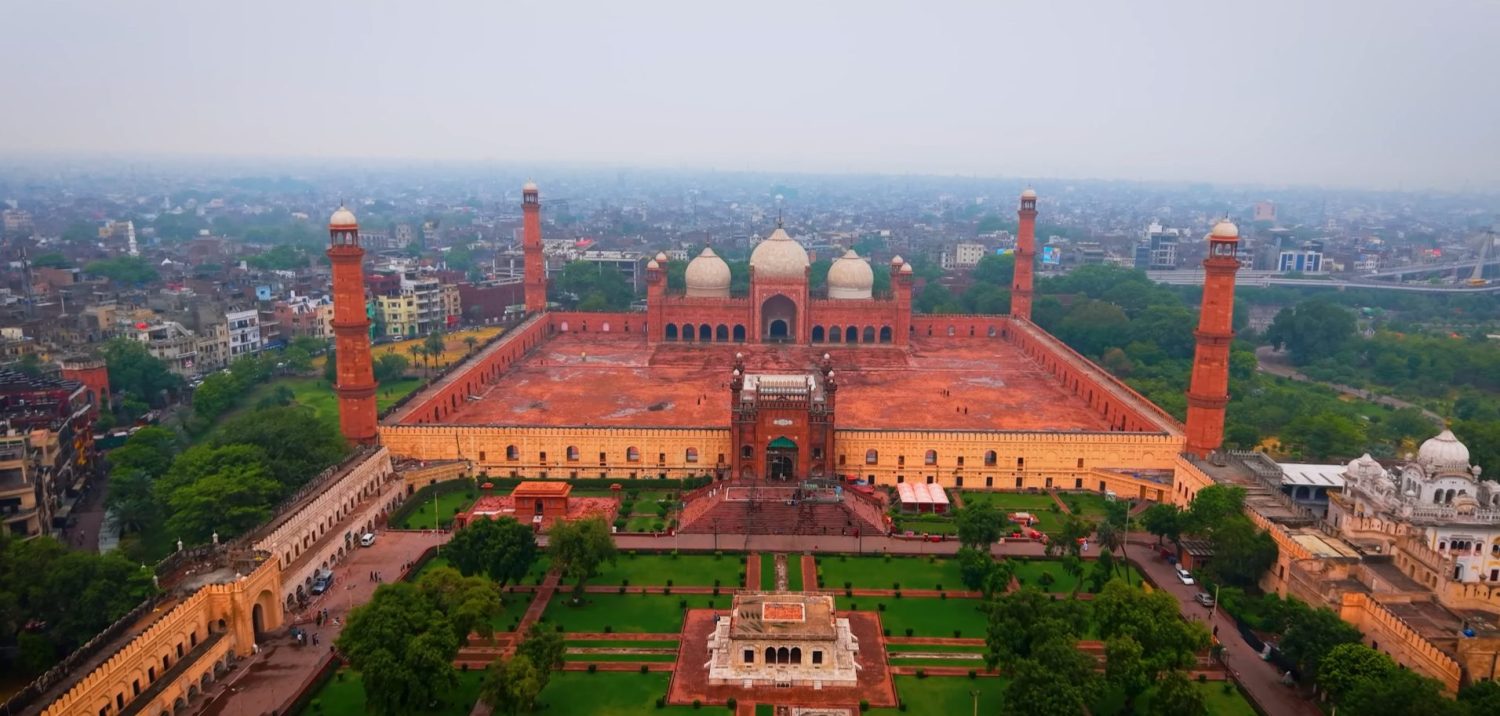
As the heat finally loosens its grip, cross the vast square to the Badshahi Mosque. Late 1600s. Red sandstone. White marble. Massive. The courtyard alone fits over 100,000 people. My move is simple: sit on the cool stone floor and wait. When the Adhan echoes across the domes, the city pauses — just for a second. After the chaos of the bazaars, that stillness hits hard.
The Evening Reward: Fort Road Food Street
End the day at Fort Road Food Street, right beside the mosque. Old havelis turned into rooftop restaurants. Yes, it’s touristy. Yes, it costs more than the alleys. But the view earns it. Pick a rooftop — Haveli, Cooco’s Den, the usual suspects — and sit right on the edge. Order Mutton Karahi and garlic naan. Watching the mosque domes glow gold against the night while you eat is the moment it clicks. You’re not passing through Lahore anymore. You’re in it.
| Zone | Key Highlights | What to Eat Nearby |
|---|---|---|
| Delhi Gate Area | Shahi Hammam, Royal Trail, Wazir Khan Mosque | Fresh jalebi or spiced channay |
| Fort Complex | Sheesh Mahal, Diwan-i-Aam, Picture Wall | Cold lassi from a street stall |
| Mosque Square | Badshahi Mosque, Minar-e-Pakistan nearby | Mutton Karahi on Fort Road |
The closest bookable match to this first-day route, focusing on Old Lahore's lanes and major Mughal landmarks without turning the day into a citywide sightseeing marathon.
By the time you crawl back to your hotel — see my transport guide for why Uber is your friend — you’ll be dusty, tired, and smell faintly like smoke and spices. That’s Day 1. You’ve seen the bones of Lahore. Tomorrow, we dig into culture, museums, and the controlled insanity of the border.
Day 2: From Ancient Silence to Nationalist Roars
If Day 1 was a crash course in Mughal excess, Day 2 is all about contrast. Violent contrast. You’re going to move from the pin-drop quiet of a 2,000-year-old sculpture to the loudest, most theatrical border ceremony on earth. I usually warn people ahead of time — this is the emotional rollercoaster day.
You’ll still feel Day 1 in your legs, so take the morning slower. Drink the tea. Sit down longer than you think you should. Just don’t drift too much. The border doesn’t care about your vibe.
Morning: The Echoes of Empire at Lahore Museum
I’ll be honest. I normally find museums dull. Read-the-plaque, shuffle, exit. The Lahore Museum breaks that pattern. It sits on Mall Road in this heavy red-brick colonial building that feels ripped out of a Victorian fever dream. Even from the outside, it has weight.
Go inside.
The reason is the Fasting Buddha. Gandhara period. Nearly two thousand years old. And unsettling in the best way. This isn’t a peaceful, glowing Buddha. This is bone and skin. Veins carved so precisely they feel alive. A stomach hollowed out by discipline and obsession. You expect this level of realism from modern sculptors, not someone working centuries before most of Europe knew what stone carving even was.
Standing in that quiet, dusty hall with the Buddha staring inward is intense. People stop talking. Even locals. That tells you something.
A hard-earned warning: Go when the doors open. The museum has no real central air, and by early afternoon it turns into a brick oven. I’ve done the mistake visit — 1:00 PM, sweat dripping, brain fried. See the Buddha early. Wander a bit. Leave before the building wins.
Midday: Getting Lost (Again) in Anarkali Bazaar
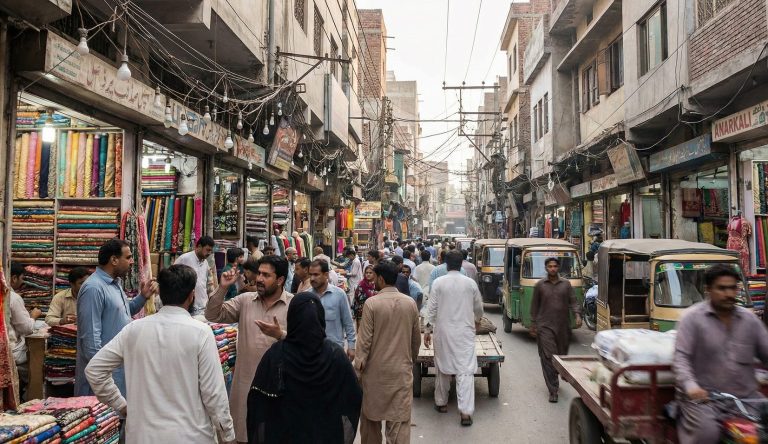
A short walk or rickshaw ride drops you into Anarkali Bazaar. One of the oldest markets in South Asia. It’s split in two, emotionally and physically.
New Anarkali is color and chaos — fabrics, jewelry, wedding clothes, shopkeepers shouting prices over each other. It’s beautiful. It’s exhausting.
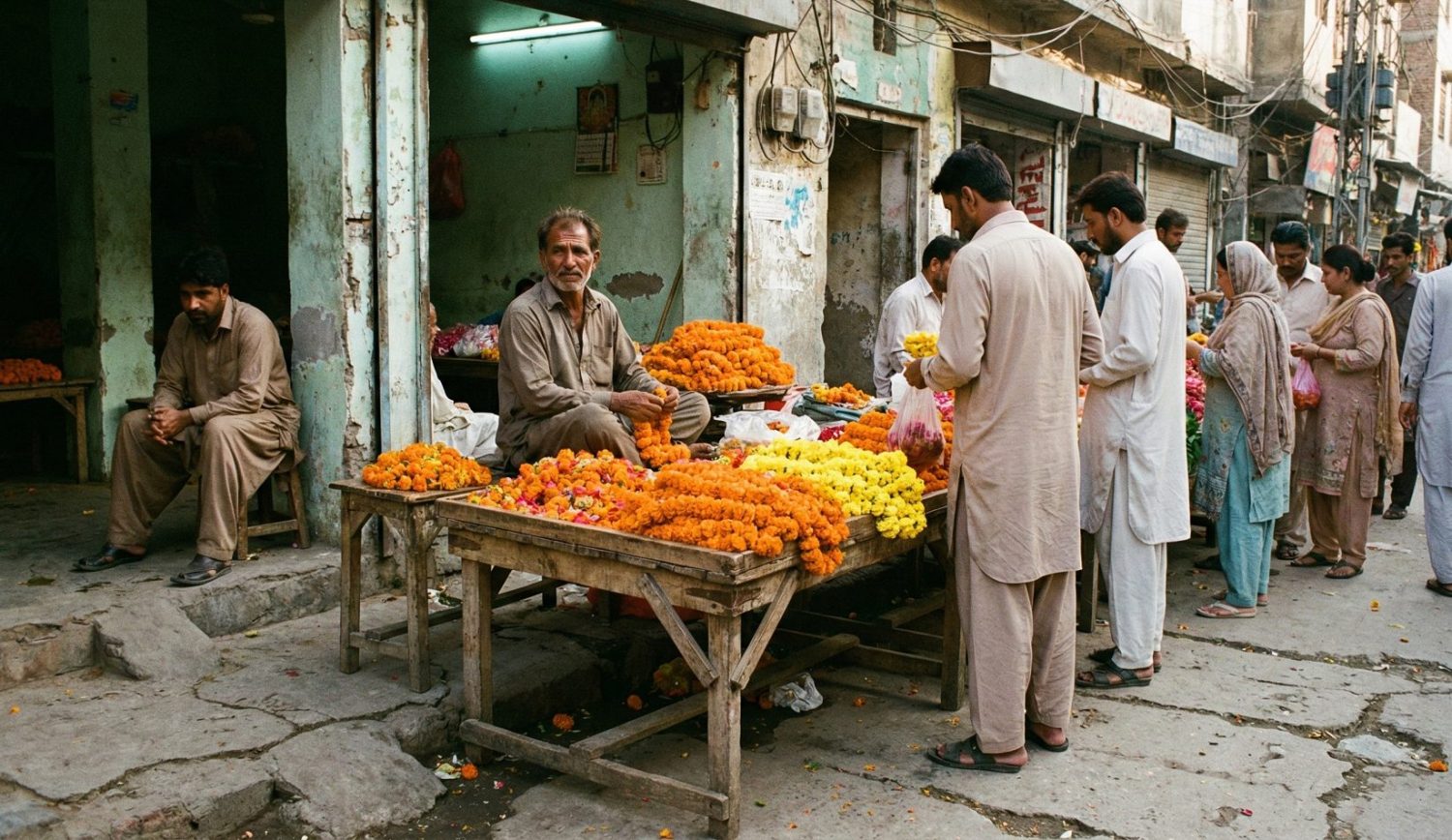
Old Anarkali is where the soul lives. This is food territory. Grab a pre-border snack here. Fruit chaat. Dahi Bhallay soaked in yogurt and spice. It feels less like a tourist stop and more like the city’s shared kitchen.
Somewhere nearby is the tomb of Anarkali herself. The woman. The myth. Supposedly walled alive for loving a prince she shouldn’t have. Legend or not, standing near that spot makes history feel uncomfortably human.
Quick note — and I’ve said this in my guide to local mistakes — don’t burn energy shopping here. Eat. Observe. Save souvenirs for later.
Afternoon: The Absolute Madness of the Wagah Border
By around 2:30 PM — 3:30 in summer — you need to be in a car heading east. You’re going to the Wagah Border.
I’ve written an entire deep dive on the Wagah ceremony, so I won’t repeat every detail, but understand this: for Day 2, this is non-negotiable.
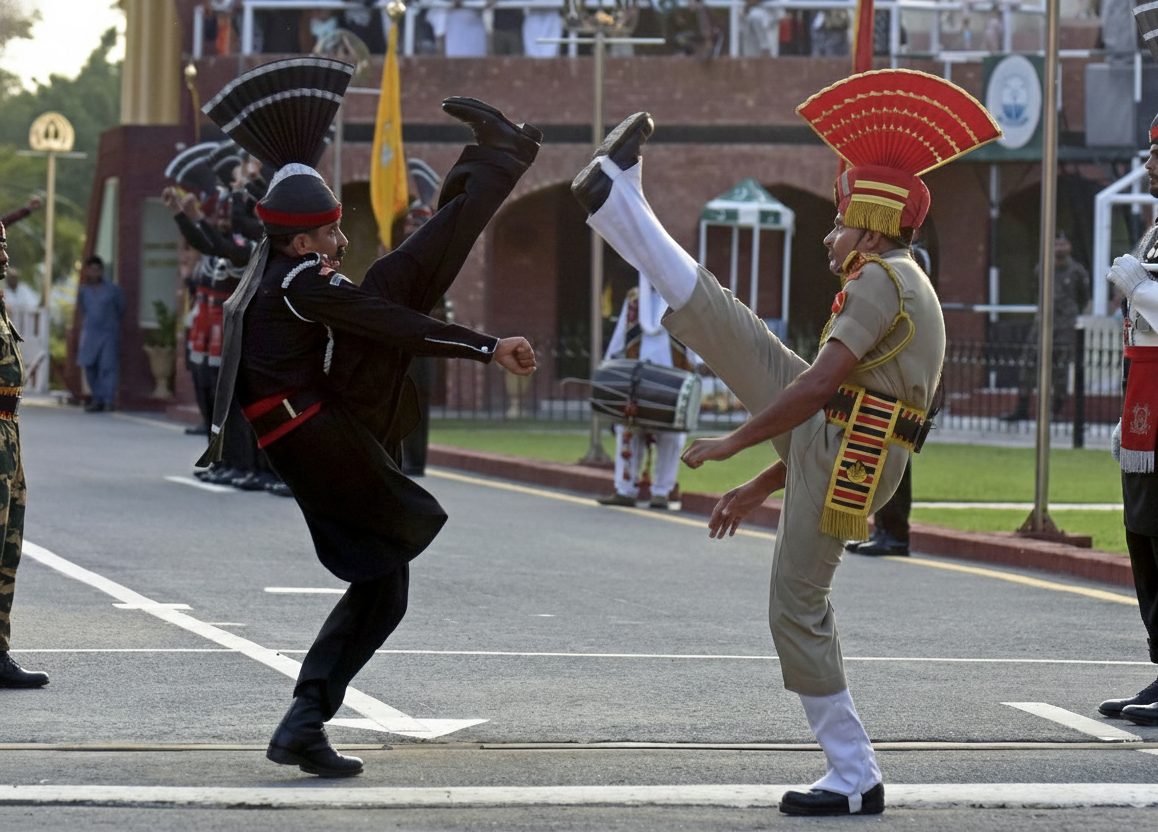
The drive takes 45 minutes, sometimes more. What happens there is technically a flag-lowering ritual between Pakistan and India. In reality, it’s a military shout-off. A controlled explosion of nationalism. Thousands of people screaming “Pakistan Zindabad” while soldiers in absurdly tall fan-shaped hats perform high kicks that look medically irresponsible.
The Foreigner Advantage: Bring your original passport. Not a photo. Not a copy. The real thing. It gets you into the Foreigner Gallery right at the front, where things are calmer and security is smoother.
Also — and this matters — no bags. None. I once had to walk half a mile back to my car because I forgot I had a tiny camera bag. Leave everything behind except your phone, passport, and water. You’ll glide through while others get turned away.
Evening: Decompressing in Gulberg
When you get back from the border, you’ll feel wrecked. Loud. Hot. Emotionally full in a way that’s hard to describe. That’s your cue to pivot.
Head to Gulberg — the area I recommend in my Lahore hotel guide.
This is New Lahore. Wide roads. Cafés with actual chairs. Sidewalks that exist. It’s where you go when your brain needs space.
Walk or drive along M.M. Alam Road. You’ll find everything from traditional BBQ to modern Pakistani fusion to coffee that doesn’t come from a dented kettle. If you’re tired of oil-heavy food, this is where balance returns.
Sit. Eat. Breathe. Process the fact that you saw a 2,000-year-old statue and a modern military standoff in the same afternoon.
That contrast — honestly — is Lahore.
| Activity | Why It Matters | Logistics Tip |
|---|---|---|
| Lahore Museum | Home of the 2,000-year-old Fasting Buddha. | Arrive at opening to avoid heat. |
| Anarkali Bazaar | Historic market and street food heart. | Focus on Old Anarkali for eating. |
| Wagah Border | A high-energy ceremony unlike anything else. | Leave by 3:00 PM; passport required. |
| M.M. Alam Road | Modern dining and calmer evening energy. | Best place to decompress after Wagah. |
A practical private option combining the Wagah ceremony with Shalimar Gardens, useful if you want to simplify two of the itinerary's more transport-dependent stops.
Day 2 usually leaves people feeling overfilled — emotionally and physically. You’ve touched ancient silence and modern fire in a single day. Tomorrow, Day 3, we slow things down. Gardens. Spiritual spaces. A few quieter gems. A softer goodbye.
Day 3: Gardens, Sufi Soul, and the “New Lahore” Contrast
By the time you wake up on Day 3, you’ll probably have what I call the “Lahore Hangover.” It’s not from alcohol (though the tea here is strong enough to keep you awake for a week). It’s sensory overload — dust, noise, spice, history, traffic, people staring at you like you’re a UFO. Your brain is full. Your feet are done. Day 3 is about finding balance.
We’re going to slide from Mughal symmetry and quiet green space into the spiritual intensity of a Sufi shrine, then end in the polished, glitzy side of the city. It’s the perfect way to understand Lahore as a whole: ancient roots, living faith, modern ambition — all stacked on top of each other, slightly crooked, somehow working.
Morning: The Symmetric Serenity of Shalimar Gardens
Start your last day at Shalimar Gardens. If Badshahi is the crown, Shalimar is the backyard—the part of the empire that basically says, “We don’t just build monuments. We build pleasure.” Shah Jahan commissioned these gardens (yeah, the Taj Mahal guy), and the whole design is just one giant architectural flex. Water channels, marble, geometry so neat it feels almost aggressive. It’s like the Mughals were trying to organize nature into submission.
I love coming here early. The city is still clearing its throat. Traffic hasn’t fully turned into a combat sport yet. In the morning, the gardens feel… softer. There are over 400 fountains, and if you’re lucky enough to catch them running, the sound of water blurs out the absolute chaos happening just outside those walls. It’s UNESCO-listed, and yeah, it looks a bit weathered and rough around the edges in spots, but the scale of it? Still hits you right in the chest.
One warning, because people mess this up every single year: the gardens don’t offer much shade. None, really. Timing matters. As I mentioned in my guide on the best time to visit Lahore, if you show up at noon in May, you’re basically signing up to be slow-cooked. Don’t do that. Go early. Walk the terraces. Sit in the quiet. Let your nervous system calm down for once before the day kicks off.
Lahore is safe for solo travelers—places like this don’t need defensive speeches, they just exist and do the talking. You feel it fast. This isn’t a closed, sterile space. It’s shared. Messy. Human. Stand there long enough and you stop scanning faces and start listening instead. It’s about the heritage, sure, but it’s more about the vibe of a city that refuses to be quiet.
If you land here on a Thursday evening, you’ll hear Dhamaal before you see anything. Massive drums. Hands clapping out of time, then somehow locking into a perfect, heavy sync. Feet slamming stone. The sound crawls under your skin. It’s loud, unpolished, and a little feral. Hypnotic in the way real belief always is. This is the spiritual engine of the city, running hot, with no off switch. It’s Sufi culture without the tourist filter.
Afternoon: The Colonial Charm of Mall Road
After the shrine overload, grab a rickshaw or an Uber and slide down The Mall — Mall Road, technically, but nobody says it like that. This is British Lahore’s spine. Old empire bones. Gothic arches flirting with Mughal curves. It looks like a London suburb lost a bar fight and woke up inside a spice market.
Watch for Aitchison College — Pakistan’s Eton, polished lawns, quiet confidence — and the hulking General Post Office. If you’re not rushing (don’t rush), duck into Tollington Market. Once an exhibition hall. Now a half-forgotten relic that still smells like dust and old ambition.
My favorite stop here, no contest, is Pak Tea House. The tea’s fine. Nothing poetic. The walls are plastered with black-and-white photos of men with severe mustaches and serious ideas. Writers. Poets. Political agitators. This was their HQ. You sit there long enough and it feels like the arguments never ended — they just lowered their voices. Old Lahore still breathes here. Softly. Stubbornly.
Sunset: The Glitz of Bahria Town (The “New Lahore” Flex)
If you actually want to understand where Lahore is headed, you have to leave the center. Drive out to Bahria Town. It’s a haul. Worth it. The contrast alone will mess with your head.
After days of cracked brick, carved balconies, and centuries clinging to the walls, Bahria feels unreal. Too clean. Too planned. Like someone hit fast-forward.
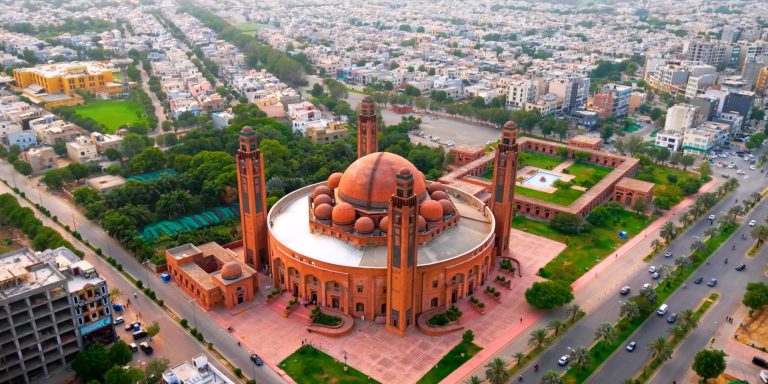
The anchor here is the Grand Jamia Mosque. One of the largest mosques on Earth. And it doesn’t even try to copy the Mughals. No red sandstone drama. This is tilework, Greek marble, hand-woven carpets. A 21st-century answer, not a remake.
And then… yeah. The Eiffel Tower replica. Actual thing. Standing there. In Pakistan. It’s weird. Slightly hilarious. Completely on brand. Lahore saying, why choose one identity when you can have all of them. Watching the sun drop behind a Parisian silhouette in a Pakistani suburb is the cleanest “wait, what?” moment you’ll get all trip.
The Final Feast: BBQ and Lassi
You don’t leave Lahore politely. You leave full.
Last dinner needs to hurt a little. Go to Siddique Kabab Shop in Liberty Market or Zakir Woods. Order Seekh Kababs. Chicken Karahi. Don’t overthink it.
You’ll be sweating. There will be dust on your clothes. Maybe on your face. And somewhere between bites it hits you — everyone who asked, “But have you been to Lahore yet?” was right.
You’re wrecked. You finally get the joke.
Lahore isn’t a city you visit.
It’s a city that happens to you.
| Stop | The Vibe | Insider Tip |
|---|---|---|
| Shalimar Gardens | Mughal symmetry, early-day calm. | The third terrace catches the cleanest light. |
| Data Darbar | Raw devotion, zero filters. | Step into the Langar hall. Watch how community actually works. |
| Mall Road | Colonial ghosts and intellectual muscle. | Order tea at Pak Tea House. Sit. Listen. Don’t scroll. |
| Bahria Town | Luxury, ambition, surreal flexing. | Go after dark. The mosque lighting changes everything. |
By the time you aim for the airport — and yeah, check my airport guide unless you enjoy negotiating with taxi sharks — you’ll be carrying more than souvenirs.
There’s a bit of Lahore chaos lodged in you now.
You came for the Big Three.
You’re leaving with the city’s pulse.
And when someone back home asks, “So… how was Pakistan?”
You’ll smile. Shake your head.
And ask them one thing:
“But have you been to Lahore yet?”