A Guide to Lahore’s Districts: Where History Meets Modernity
Look at a map of Lahore and it feels like someone spilled ink and just left it there. Big. Messy. No obvious logic. But the trick to understanding this city is stopping the idea that it’s one place. It isn’t. Lahore is a layered cake of history. In thirty minutes you can move from a 16th-century Mughal gate where donkeys still haul carts, to a glass-and-steel pocket where teenagers sip $7 lattes and roll around in electric cars.
Which Lahore you end up loving — or hating — depends almost entirely on where you base yourself. Pick the wrong neighborhood and you’ll spend half your trip sweating in a rickshaw, watching your plans dissolve. After bouncing through every corner of this city in 2026, here’s the honest breakdown so you can figure out where you actually belong.
The Walled City (Androon Sheher): The Ancient Soul
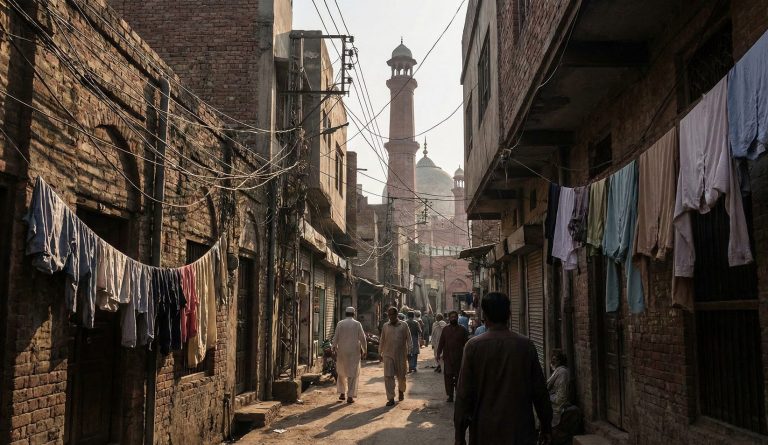
This is the beginning point. Everything starts here. If you’ve looked at my 3-day Lahore itinerary, you already know the Walled City isn’t optional — it’s the core. A dense, tangled maze of thirteen old gates, collapsing balconies, and homes that have survived empires.
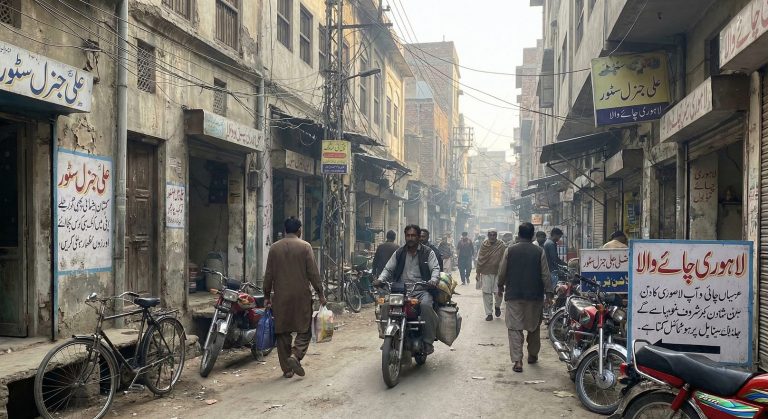
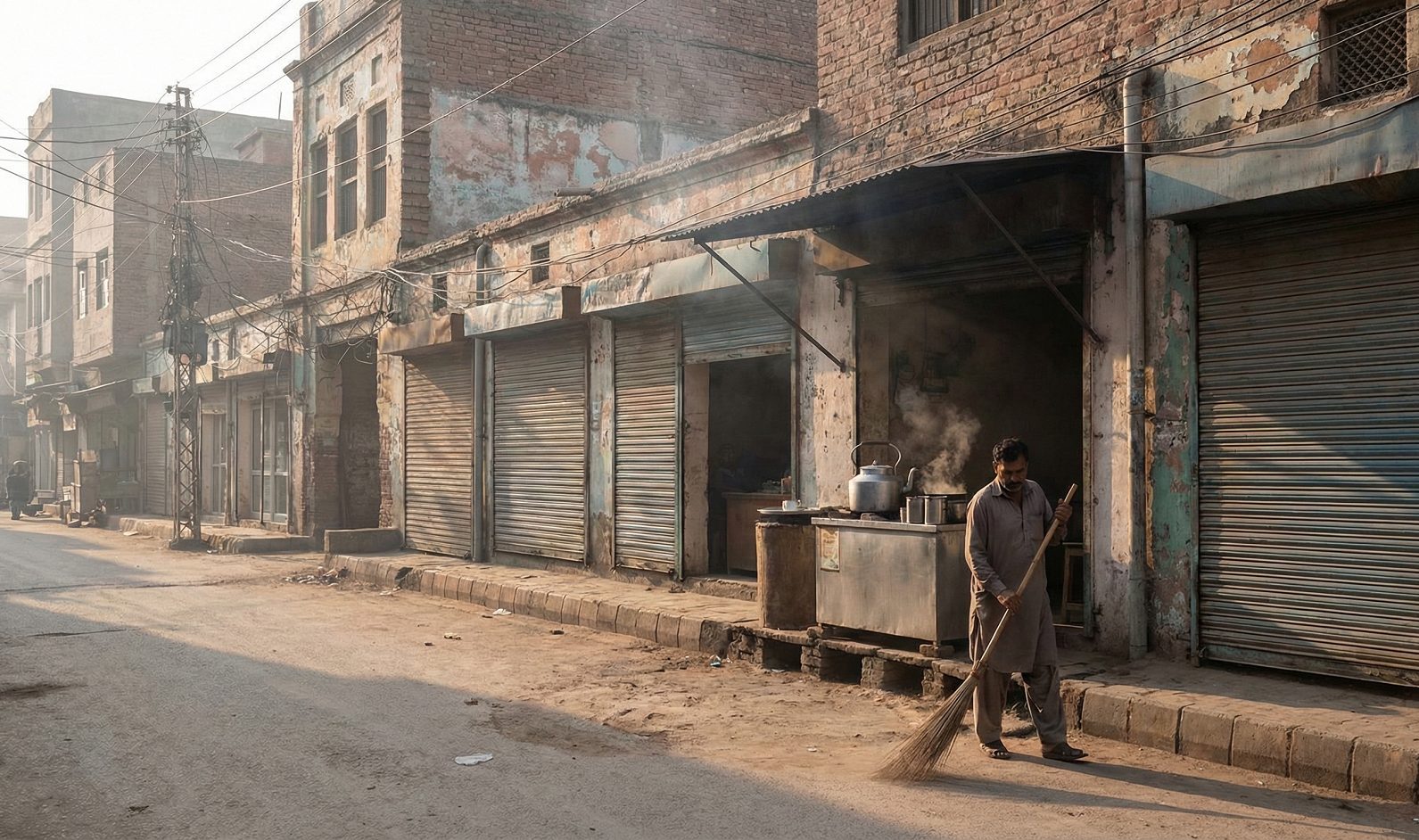
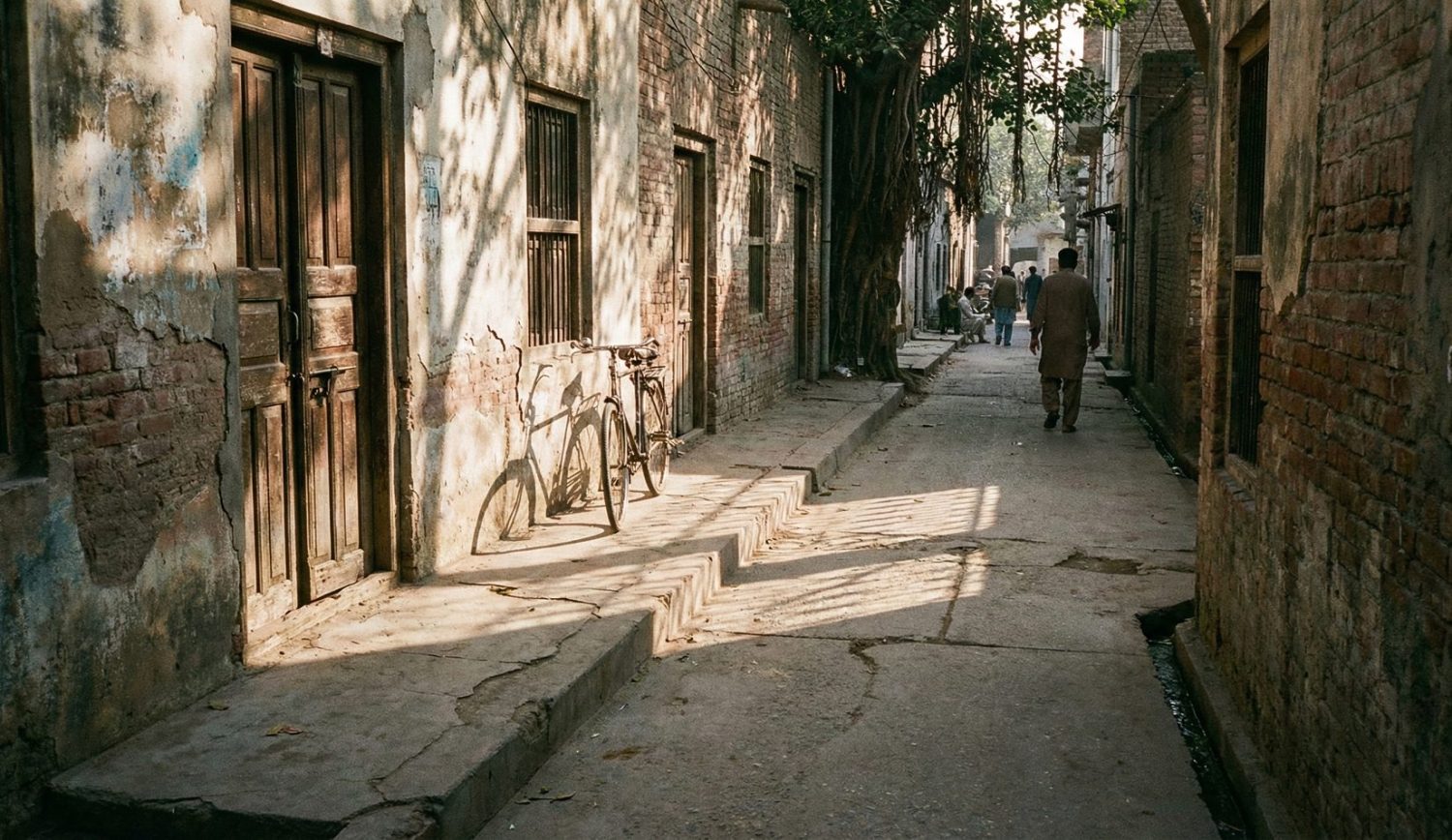
The Vibe: Pure sensory overload. Loud. Dusty. Intimate. It smells like rosewater, hot oil, sweat, and centuries of memory layered on top of each other. You don’t wander here for peace. You come to feel a city that’s been breathing nonstop for over a thousand years.
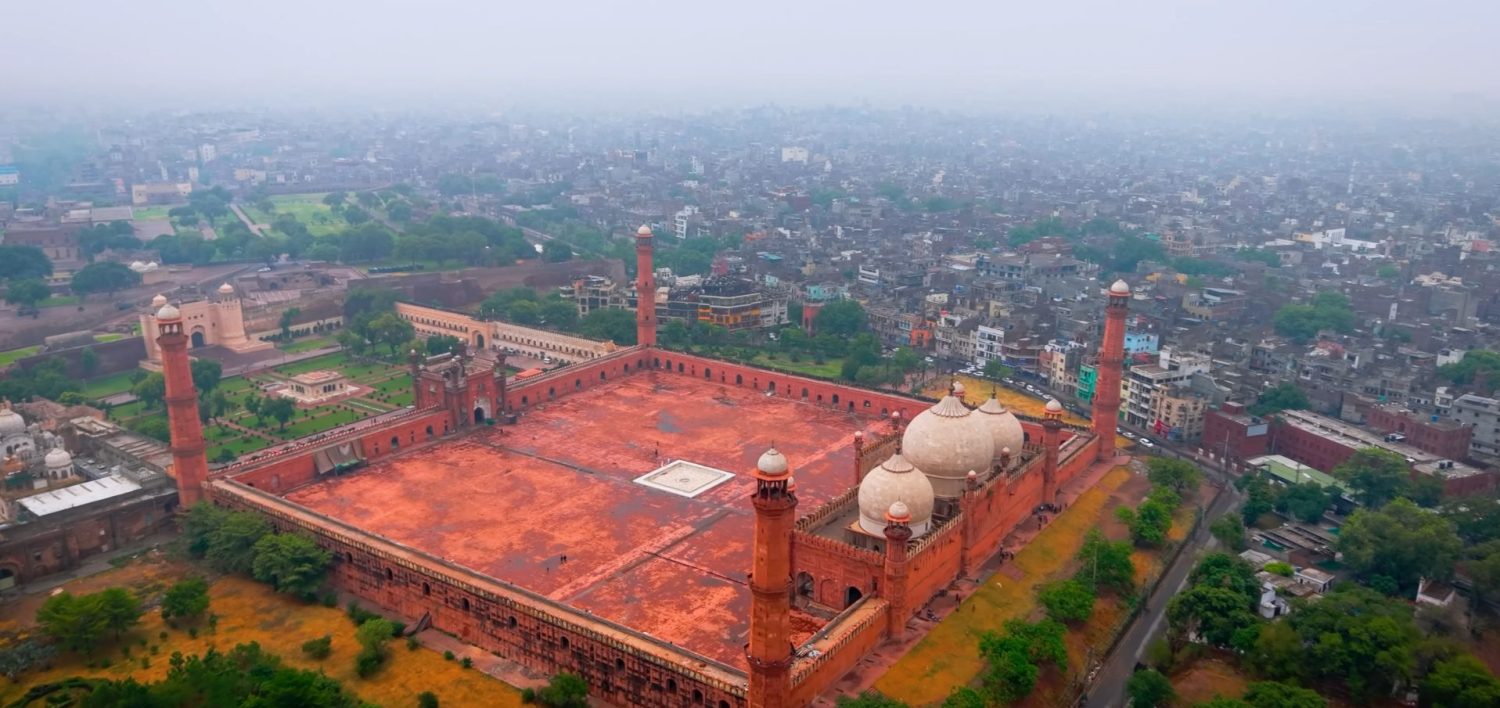
Key Highlights: Lahore Fort, Badshahi Mosque, and the jaw-dropping Wazir Khan Mosque.
Who it’s for: History addicts, street photographers, and people who don’t panic when comfort disappears. If you want the “real” Lahore, this is it. Just don’t look for sidewalks. They’re a myth here.
The Mall Road: The Colonial Spine
Head south from the Old City and the chaos starts to stretch out. Roads widen. Red brick gives way to Victorian drama. This is Mall Road — the British Raj’s grand imprint on Lahore. It still functions as the city’s intellectual and administrative backbone.
The Vibe: Grand, academic, slightly stiff. Walking here — traffic permitting — feels like falling into an early-20th-century postcard. Gothic colleges, colonial courts, and buildings that look like they were copied straight from England and dropped into Punjab.
Key Highlights: Lahore Museum (yes, the Fasting Buddha), Aitchison College, and Lawrence Gardens (Bagh-e-Jinnah).
Who it’s for: Architecture nerds and people who want history without total chaos. It’s central, which makes it a solid base if you want access to both old Lahore and modern zones without losing your mind.
Neighborhood Comparison: At a Glance
| Neighborhood | Main Vibe | Best For… | Noise Level |
|---|---|---|---|
| Walled City | Historic & Chaotic | Sightseeing & Street Food | Extreme |
| The Mall | Colonial & Grand | Museums & Architecture | High (Traffic) |
| Gulberg | Modern & Upscale | Shopping & Hotels | Moderate |
| DHA | Quiet & Elite | Cafes & Western Comforts | Low |
Gulberg: The Heart of Modern Luxury
If the Walled City is Lahore’s soul, Gulberg is its bank account. This is where ambition lives. Glass offices, high-end malls, restaurants that open quietly and close loudly. It’s the center of gravity for anyone curious about Pakistan’s modern momentum. Spend ten minutes in traffic here and you’ll understand just how fast the upper middle class has grown in the last decade.
The Vibe: Busy. Flashy. Expensive. Gulberg moves fast and doesn’t apologize for it. This is where you’ll find the city’s best hotels (I break that down in my Lahore hotel guide) and the food streets that cater to people who don’t check prices first.
Key Highlights:
- M.M. Alam Road: A legendary strip of asphalt stacked with everything from smoky roadside BBQ to polished Italian dining rooms.
- Liberty Market: The horseshoe-shaped nerve center of Lahori fashion. Fabric, jewelry, shoes — this is where style decisions happen.
- Gaddafi Stadium: Cricket lives here, but so does nightlife. The surrounding blocks come alive after dark.
Who it’s for: Most visitors, honestly. If it’s your first time, stay here. Air-conditioned malls for heat recovery. Enough food options to keep you busy for weeks. Gulberg works as a base camp because it sits right between the Old City chaos and the quieter suburbs.
DHA (Defence Housing Authority): The Elite Bubble
Driving into DHA — especially Phases 5, 6, or 8 — feels like teleportation. One minute you’re weaving around rickshaws and fruit carts. The next, you’re on a wide, manicured road where traffic is silent and international coffee chains glow politely. DHA is a military-run housing authority that quietly became the city’s definition of “premium.”
The Vibe: Clean. Quiet. Westernized. It feels less like Pakistan and more like a suburb that escaped Dubai or Los Angeles. Rickshaws aren’t allowed in most phases, which makes this the only part of Lahore where you can actually hear yourself think.
Key Highlights:
- Phase 5 & 6 Commercial Areas: Where the cool crowd gathers. Artisanal bakeries. Boutique gyms. Cafés hidden behind unmarked doors.
- H-Block: The original foodie nucleus of DHA Phase 2.
Who it’s for: Expats. Digital nomads. Travelers who’ve had enough noise for one lifetime. If you want a great steak, a proper espresso, and zero chaos, DHA delivers. Just know the trade-off — it’s far from the historical heart.
Model Town & Johar Town: Where Real Lahoris Live
If Gulberg feels glossy and DHA feels sealed off, Model Town and Johar Town are where everyday Lahore breathes.
Model Town: Designed in the 1920s as a garden city, it’s a massive green circle wrapped in old trees and quiet confidence. Parks everywhere. Wide streets. It feels calm, almost polite. Subtle old-money energy without the flash.
Johar Town: Sprawling. Slightly chaotic. Full of life. This is where food scenes hide in plain sight and where locals actually hang out. It’s also home to the massive Emporium Mall, which on weekends feels like the entire city showed up at once.
Who it’s for: Budget travelers and people chasing something real. Guesthouses cost less. Street food hits harder. And nothing here feels staged for visitors.
Logistics: The Art of Moving Between Districts
The biggest mistake people make when “neighborhood hopping” in Lahore is underestimating the Lahore Factor. On a map, Gulberg looks close to the Walled City. In real life, that eight-kilometer trip can take fifteen minutes at 10 AM… or an hour at 6 PM. Same road. Different universe.
How to survive the commute:
- The Ring Road: Your secret weapon. A high-speed bypass linking DHA, the airport, and northern Lahore. If your Uber driver suggests it, agree immediately. Longer distance. Shorter time. Always.
- Metro Bus / Orange Line: If you’re bouncing between the Old City and southern districts, this is the only way to cheat traffic. Cheap. Efficient. Shockingly functional.
- Peak Hour Lockdown: From 5:00 PM to 8:00 PM, don’t move. The city freezes. Find a café. Sit. Scroll. Wait it out.
Which Neighborhood Is Right for You?
| Your Travel Style | Recommended Area | Why? |
|---|---|---|
| The History Buff | Near the Mall Road | Direct access to museums and the Old City. |
| The First-Timer | Gulberg | Best balance of comfort, food, and mobility. |
| The Luxury Seeker | DHA Phase 6 | Quiet, polished, and modern. |
| The Budget Explorer | Johar Town | Local prices with solid connectivity. |
Lahore is built in layers. To understand it, you need contrast. Get dusty in the Walled City. Reset in Gulberg. Sit quietly in DHA and see where the city is headed. Each neighborhood tells a different chapter. Don’t lock yourself into one. The contrast is the story.