Lahore Transport Guide: How to Navigate the City’s Chaos
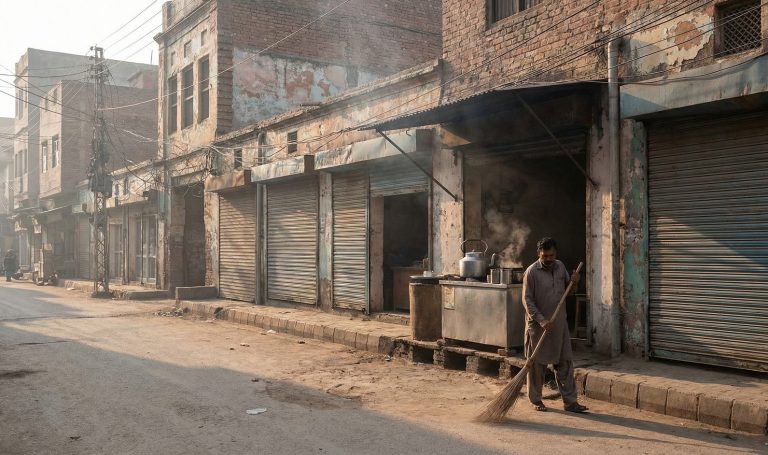
The first thing you need to understand about transport in Lahore is this: the map is a liar. Distances that look like a five-minute stroll can turn into a forty-minute odyssey through motorbikes, donkey carts, and trucks painted like rolling street art. Getting around Lahore is an art form — a weird little dance between modern tech and old-school chaos. If you can move through this city without losing your temper, you can travel anywhere.
By 2026, Lahore has more options than ever. You can glide across the city on a Chinese-built metro train that feels almost too clean for the streets below… or squeeze through an alley in a rickshaw that looks like it’s held together by prayer, glitter, and pure stubbornness. Every method has its own unwritten rules. After spending months navigating Lahore like a confused local, I put this guide together so you can get from A to B without losing your mind — or your wallet.
Ride-Hailing Apps: Your Safest Bet
For most visitors, ride-hailing apps are the easiest win. They remove the haggling stress, give you a GPS trail, and help in a city where “knowing the way” is basically a personal opinion. When the driver has the route on-screen, your life gets simpler. Not perfect. Just… less exhausting.
Uber and Careem
Uber and Careem are the gold standards for visitors. Reliable enough. Usually clean enough. And most importantly, they come with air conditioning — which in Lahore summer isn’t a luxury, it’s survival equipment.
- The Pros: Fixed pricing, safety tools, and the cheaper categories (“Mini” / “Eco”) are often shockingly affordable for cross-town rides.
- The Cons: During peak hours (roughly 5 PM to 8 PM), it can take forever for a driver to accept. Fifteen minutes of “Searching…” is not unusual.
One small reality check: drivers sometimes call you. Not because they’re rude. It’s because pickup points in Lahore are chaos — gates, service lanes, U-turns, random construction. Answer the call, give a landmark, and move on with your day.
Indriver: The Negotiator’s App
If Uber’s surge pricing starts acting disrespectful, switch to Indriver. It’s huge in Pakistan for a reason. You suggest a price, drivers counter, and the whole thing becomes digital bargaining. It’s basically the bazaar version of ride-hailing.
Pro tip: Check what Uber is charging, then offer about 10–15% less on Indriver. You’ll usually get a match pretty fast. Just know what you’re signing up for: cars can be older, and some drivers will call you three times to ask where you are even though the map is right there. Annoying, yes. Still often worth it.
The Rickshaw Experience: Navigating the Chaos
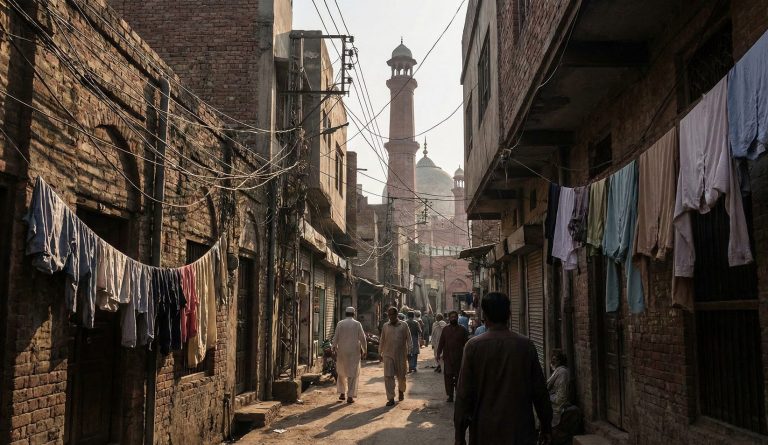
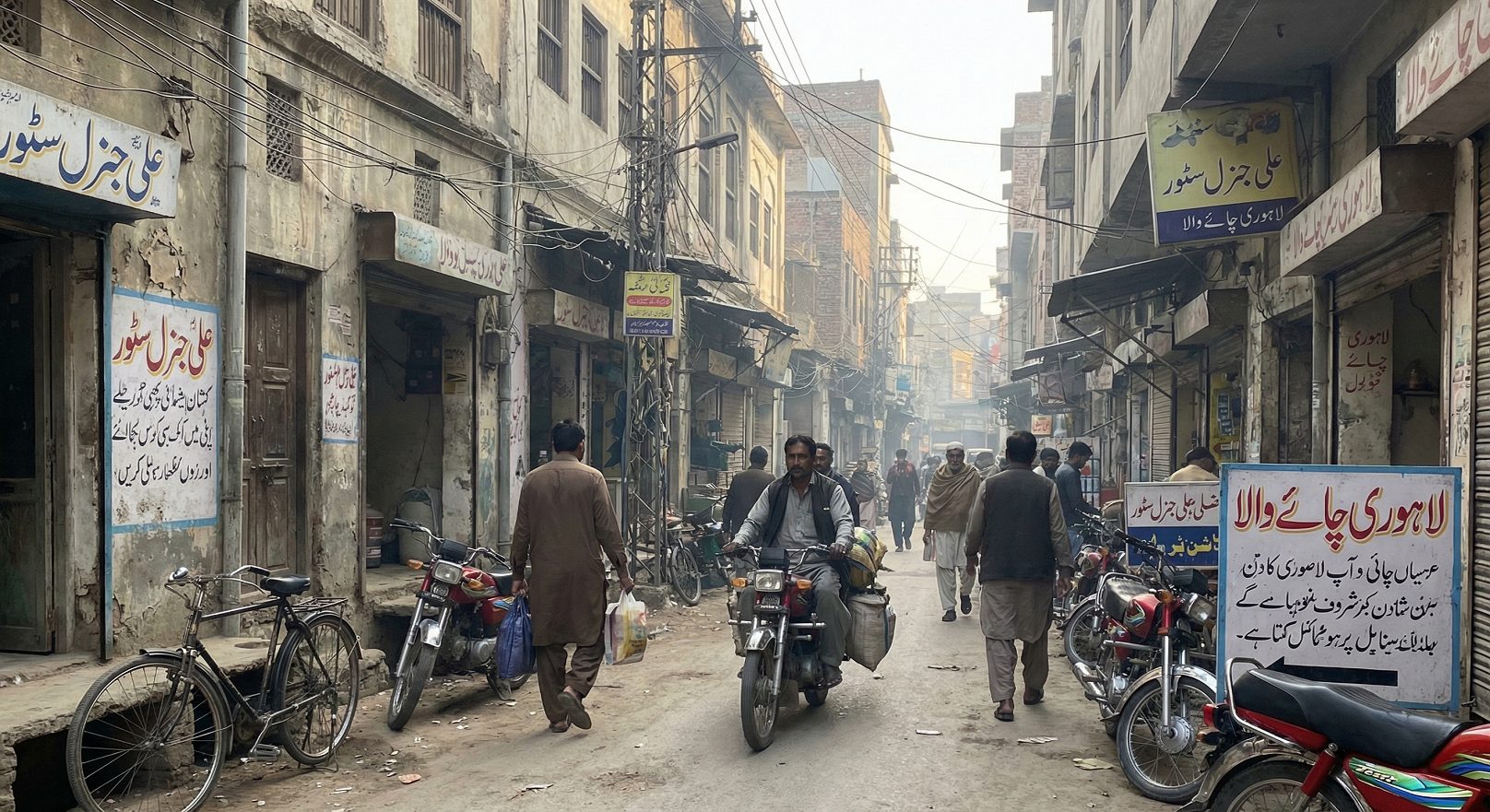
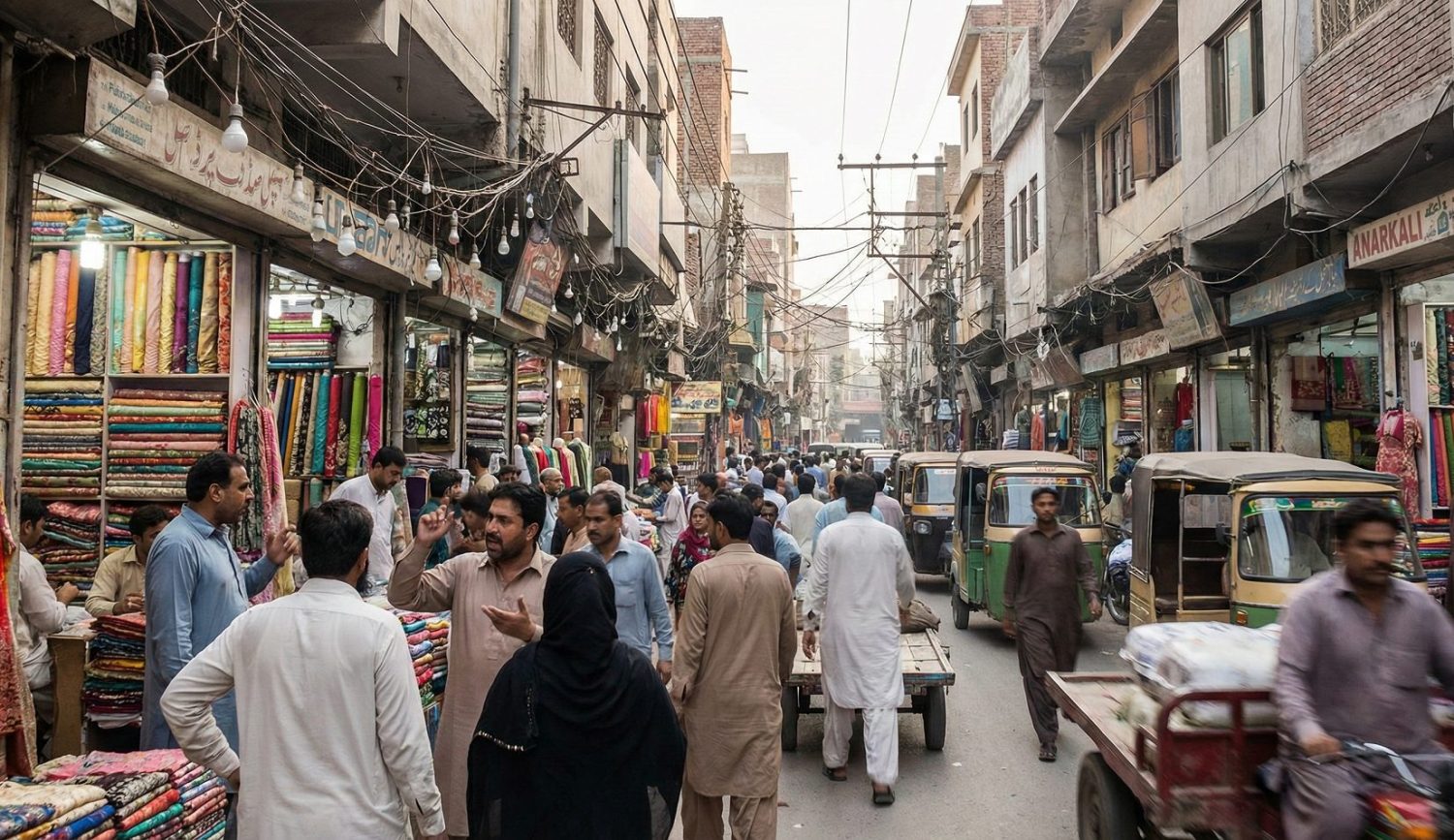
You haven’t really been to Lahore until you’ve sat in the back of a rickshaw, gripping the side rail like it’s a life decision, while the driver threads through a gap between two buses that looks too small for a bicycle. Rickshaws are the city’s bloodstream, especially in the Walled City and older areas where cars simply don’t fit.
They’re loud. They’re bumpy. They’re occasionally terrifying. And somehow, they work.
Types of Rickshaws
You’ll see two main types:
- The Auto-Rickshaw (often yellow/green): The classic three-wheeler. Private-ish, quick-ish, usually fits 2–3 people comfortably. In 2026, more of these are electric rickshaws, which means less diesel stink and slightly less “my lungs are vibrating” energy.
- The Qingqi (Ching-chi): A motorbike with a carriage attached, usually operating like a tiny shared bus. Dirt cheap. Loud. Bumpy. You’ll be sharing personal space with strangers, groceries, and sometimes a child who looks like they’ve seen everything.
The Art of the Bargain
Unless you book through an app (yes, you can sometimes find rickshaw options in apps), you have to agree on the price before you get in. If you wait until the ride ends, you’re paying the “foreigner tax,” which is usually triple the real rate. Not because Lahore is evil — because this is how informal pricing works everywhere when someone thinks you don’t know the rules.
The Strategy: If a driver opens with 500 rupees, you open with 250. You’ll probably land around 350. Keep it calm. Don’t look desperate. And if the price feels silly, walk away — there are usually ten more rickshaws behind him. For other rookie mistakes that quietly drain your budget, see my common Lahore travel mistakes guide.
The Modern Era: Orange Line Metro & Metro Bus
For decades, getting around Lahore meant dusty roads, improvised routes, and the kind of colorful chaos that looks fun in photos… until you’re trapped inside it. But the city has quietly leveled up. If you want to cross Lahore without donating half your day to Mall Road or Ferozepur Road traffic, the “Metro” systems are your secret weapon. They’re fast, clean, and — most importantly — they run on elevated tracks or dedicated lanes, so they skip the gridlock below like it doesn’t exist.
It’s not glamorous in a “wow futuristic city” way. It’s practical. And in Lahore, practical is basically luxury.
The Orange Line Metro Train
The Orange Line is Pakistan’s first automated rapid transit system, and it cuts through the city like a cheat code. Roughly 27 km, modern stations, air-conditioned trains, and fares that feel almost fake if you’re coming from Europe or North America (often under $0.30 for a full ride).
If you’re staying in the southern side of the city and need to reach places like Anarkali or the general Old Lahore zone near the Lahore Fort, the Orange Line is one of the cleanest ways to do it without arriving sweaty and resentful.
Pro tip: If you’re in Lahore for more than a couple of days, get a Metro Card at the station. Token lines during rush hour can be weirdly long, and nobody wants to spend their morning stuck behind ten people arguing about change. Also… the Orange Line gets packed. Like, shoulder-to-shoulder packed. If personal space matters to you, avoid 8:00 AM to 10:00 AM and the post-office rush around late afternoon.
The Metro Bus (BRT)
Think of the Metro Bus as a train on tires. It runs in a dedicated lane down major arteries, which means it moves even when the rest of the city is stuck in a slow-motion traffic meltdown. It’s especially useful for north-to-south movement and for connecting big zones without the usual “why are we not moving” drama.
It’s functional. Not fancy. No romance. But it works — and if you’ve ever watched Lahore traffic from street level, “works” is kind of miraculous.
Local Buses: The “Moving Art” Galleries
You’ve probably seen the photos: massive buses covered in layered truck art, bells jingling, paint so detailed it looks like a shrine, and people somehow balancing on the back like gravity is optional. These are the private local buses. Visually? Unreal. As transport for a first-time visitor? Honestly… a challenge.
There aren’t tourist-friendly maps. Schedules are more vibes than timetables. Conductors shout destinations in shorthand, and sometimes even locals need a second to decode what’s being yelled.
The gender rule: Most local buses have a dedicated women’s section at the front, with men toward the back. It’s usually enforced, and it genuinely makes the experience less stressful for women traveling solo or in small groups. I talk more about how this plays out socially in my safety for solo travelers guide. If you want to try a local bus, do it for a short ride just for the experience. Don’t rely on it when you’re on a tight timeline, because Lahore does not care about your timeline.
Survival Guide: Navigating the Lahore Traffic
Transport in Lahore isn’t just about choosing the right vehicle. It’s about choosing the right moment. The city has a heartbeat, and if you try to move against it, you’ll lose. Quietly. In the back of a car. Staring at a truck bumper.
- The Rush Hour Lockdown: Avoid moving between districts from roughly 5:30 PM to 8:30 PM. This is the “everyone goes home / everyone goes out” collision. A 20-minute ride can become a two-hour ordeal. If you’re stuck in this window, do the smart thing: find a cafe, grab tea, let the surge burn itself out.
- The Dust and Smog: If you’re using a rickshaw or a chingchi, you’re exposed. In 2026, Lahore air can be rough — dust, exhaust, and seasonal smog. Carry a light scarf or a mask. It helps with fumes, dust, and that gritty throat feeling you get after an hour in traffic.
- The “Protocol” Delay: Sometimes roads shut down for VIP movement. No warning. No explanation. If your Uber suddenly turns into a random alley, your driver probably isn’t lost — he’s rerouting around blocked main roads. Trust local drivers on this. They know shortcuts better than most apps.
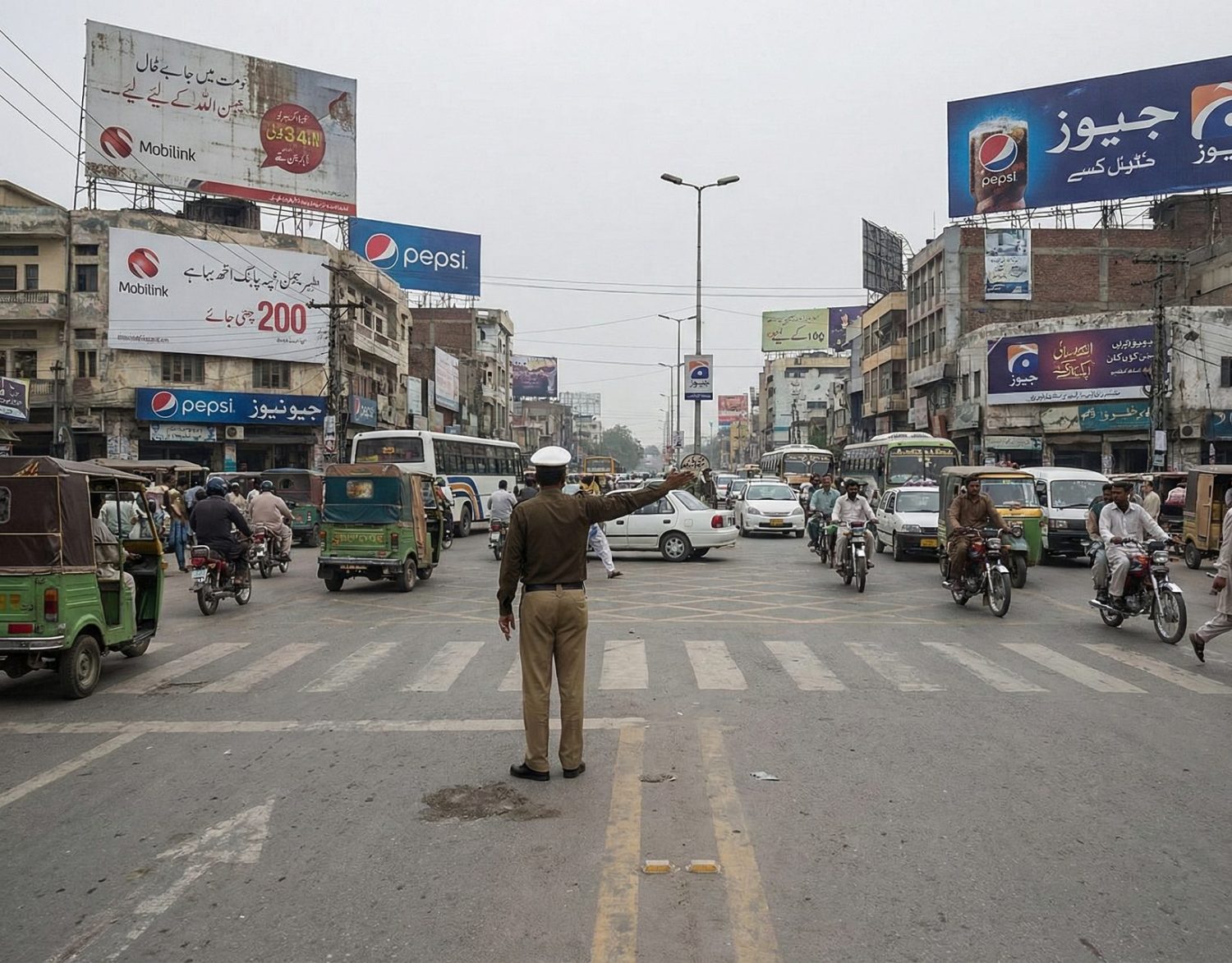
Transport Comparison Table: Which One Should You Pick?
| Mode | Cost (Avg) | Speed | Comfort | Best For… |
|---|---|---|---|---|
| Uber/Indriver | $3 – $8 | Medium | High (AC) | Long trips and night travel. |
| Orange Line Metro | $0.30 | Fastest | High | Crossing the city without traffic drama. |
| Rickshaw | $1 – $3 | Medium | Low (Noisy) | Short distances & Old City alleys. |
| Local Bus | $0.15 | Slow | Very Low | Hardcore budget travelers / “for the story” rides. |
Final Advice: My Ideal Mix
If you want to move like a pro in Lahore, don’t commit to one method like it’s a lifestyle. Go hybrid.
For long distances (DHA to Mall Road, airport runs, anything you don’t want to gamble on), take Uber or Indriver. It keeps you fresh, keeps you out of the heat, and saves your brain for the stuff that actually matters.
Once you’re inside the Walled City, switch to a rickshaw. It’s the only thing that can dance through those narrow lanes without turning your day into a walking marathon.
And if you’re on a budget or you need to cross the city during peak traffic, take the Orange Line. It’s one of the few systems in Lahore that doesn’t care what the roads are doing.
Lahore transport is loud, chaotic, sometimes frustrating… but it’s also part of the show. Try the rickshaw at least once. Don’t feel guilty for hiding in air conditioning afterward. And if you want a bigger picture of how timing and transport affect what you can actually do here, my travel duration guide breaks it down in a way that’s brutally honest.