Don’t Ruin Your Trip: 10 Travel Mistakes to Avoid in Lahore
Lahore doesn’t just welcome you — it absorbs you. Slowly at first, then all at once. It’s a city where the 16th century keeps crashing into the 21st, where the quiet dignity of a Mughal tomb gets obliterated by the scream of a thousand 70cc motorbikes, and where hospitality is so aggressive it can completely hijack your plans. For the unprepared, Lahore feels like a beautiful, fragrant, deeply confusing mess. For anyone who understands the unwritten rules, it’s the most rewarding city in South Asia.
I still remember my first morning here. I walked out of a hotel in Gulberg with a color-coded itinerary, a printed map, and the dangerous confidence of someone who thought Cairo and Delhi had already “trained” them. I figured I was ready. Four hours later, I was sitting on a plastic chair in a spice market, coated in dust, three hours behind schedule, and quietly questioning my digestive system. I had hit every trap the city had waiting for me.
Lahore rewards bravery, sure — but it punishes arrogance. You don’t conquer this place. You negotiate with it. And to help you win that negotiation, here’s the most common set of mistakes I’ve watched travelers repeat over and over. This isn’t about buses and maps. It’s about understanding the Lahore mindset. Avoid these traps and you won’t just see the city… you’ll actually enjoy it.
1. Underestimating the “Lahore Factor” (Impossible Logistics)
This one kills more itineraries than anything else. Treating distances in Lahore like distances in Europe or North America is a fantasy. On Google Maps, your hotel in DHA might be twelve kilometers from the Walled City. In Berlin, that’s a short drive. In Lahore, that same stretch can take thirty-five minutes or two hours depending on the mood of the traffic gods.
I call it the Lahore Factor. It’s a chaotic cocktail: sheer vehicle volume, zero lane discipline, spontaneous political rallies, and the legendary rickshaw bottleneck. Rickshaws are engineering miracles — until five of them decide to crawl side-by-side on a three-lane road. Then the city simply… stops.
The reality: People plan to “see the Fort in the morning, hit the Museum at noon, and reach the border by 3 PM.” That plan does not exist in the physical universe. By the time you fight your way from the Fort to the Museum, noon has quietly turned into mid-afternoon. By the time you leave, the border gates are already closing. You spend the day staring at bumpers, getting angrier by the kilometer.
The fix: Think in zones, not checklists. If you’re in the Old City, stay there all day. Don’t cross the canal more than twice unless you enjoy suffering. Use my travel duration guide and plan buffer hours, not minutes. If Google says twenty minutes, assume fifty. If you’re early, drink tea. If you’re late… congratulations, you’re blending in.
2. The “Hero Syndrome”: Driving Yourself
There’s always that traveler who thinks renting a car is the ultimate badge of authenticity. Let me be blunt. If you drive in Lahore, you’re not adventurous — you’re a liability. I’ve watched veteran drivers from the world’s most chaotic cities pull up to a Lahori intersection and mentally tap out.
Traffic here isn’t controlled by signs or lights. It runs on instinct, eye contact, and confidence. Motorbikes carry entire families. Donkey carts haul steel beams. Buses painted like psychedelic fever dreams stop whenever they feel like it. Lane markings are decorative. If there’s a gap — even three inches — someone will occupy it.
The reality: Driving drains 100% of your mental energy. You’ll see nothing. Enjoy nothing. And if you scrape a bumper, prepare for hours of negotiations, police visits, and a crowd forming just to watch the show.
The fix: Use Uber or Indriver. They’re absurdly cheap. A cross-city ride often costs less than a coffee back home. Sit in the back. Let someone else wrestle chaos. If you want zero friction, hire a car and driver for the day. My private tour guide explains how to do this without getting burned.
3. Leaving Your Passport Behind
In many countries, your passport belongs in a hotel safe. In Lahore, that logic can ruin your day. This is a high-security city. Checkpoints pop up everywhere — near government buildings, historical sites, and especially the border.
The reality: You are a foreigner in a sensitive region. Officers are polite, usually helpful, but thorough. I’ve watched tourists battle traffic for two hours to reach the Wagah Border ceremony only to get turned away because they had a phone photo instead of their actual passport. Digital copies don’t count. Originals do.
The fix: Carry your passport. Always. Use a neck pouch or a deep, secure pocket. You’ll need it for border access, foreigner seating areas, and occasional checks. If you’re nervous, read my safety breakdown — but understand this: the biggest risk to your passport in Lahore is leaving it behind.
4. The “Nihari Rookie” Error
Lahore is Pakistan’s food capital. The meals are legendary. Dangerous, too — if you rush in without strategy. The mistake isn’t street food. It’s how you eat and what you drink with it.
The classic blunder? A massive bowl of Nihari at 8 AM on day one. Nihari is rich, oily, slow-cooked beef loaded with marrow. Delicious. Devastating. Pair that with a chilled drink full of local ice and congratulations — you’ve scheduled a two-day bathroom retreat.
The reality: Spices aren’t the enemy. Water is. Ice is. Utensils rinsed in tap water are. Food sitting too long under the sun is a gamble you eventually lose.
The fix:
- Water: Bottled only. Check the seal.
- Ice: Skip it. Always.
- Busy Stall Rule: Crowds mean turnover. Turnover means fresh.
- Ease in: Start with grilled meats and naan. Save heavy curries for later. My street food guide shows where risk stays low and flavor stays high.
5. Ignoring Smog Season
Weather charts will tell you Lahore is “pleasant” in winter. What they don’t mention is that the city regularly becomes one of the most polluted places on Earth. This isn’t light haze. It’s thick, chemical smog that smells like burning plastic and looks unreal.
The reality: Smog destroys logistics. Visibility drops below ten meters. Motorways shut down. Flights get cancelled or diverted. Trains crawl. If you’re on a tight schedule, smog will eat it alive.
The fix: Visiting between November and January? Build flight-day buffers. Never plan same-day transfers to international flights. Bring a proper N95 or FFP2 mask — not for appearances, for survival. Check my seasonal guide and decide if your dates need adjusting.
Lahore isn’t hard because it’s hostile. It’s hard because it’s alive. Learn its rhythm, respect its rules, and stop trying to control it. Do that, and the chaos starts making sense — sometimes even beauty.
6. Dressing for “The Gram” Instead of the Culture
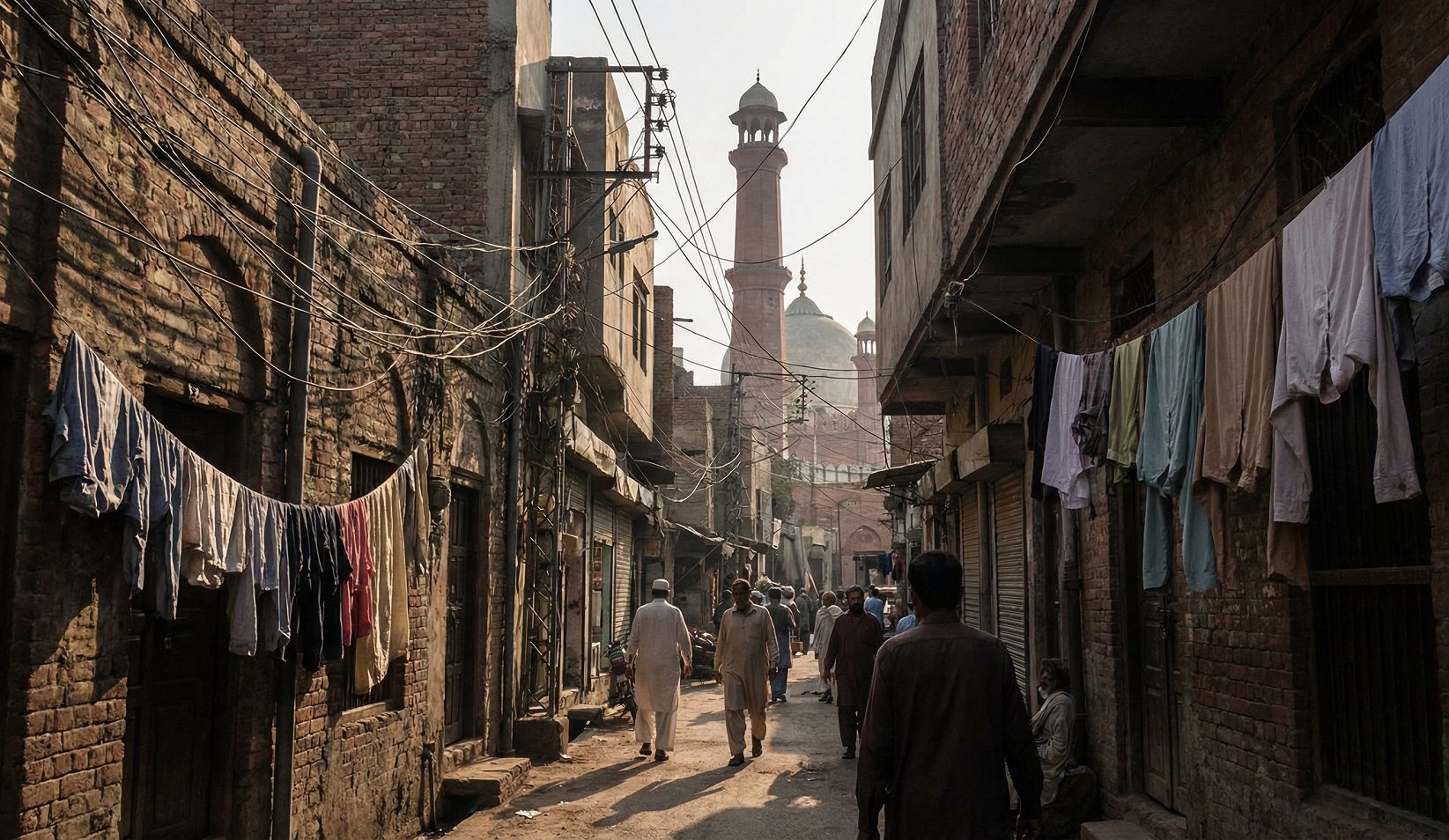
We live in the Instagram era, I get it. You want that shot in front of Badshahi Mosque looking like some desert explorer / fashion traveler hybrid. Cool. But one of the most common mistakes I see — men and women — is prioritizing the outfit over cultural awareness and basic comfort. Lahore is traditional. It’s more relaxed than rural areas, sure, but your clothing still shapes how people react to you. A lot.
The Reality: If you walk into the Walled City in short shorts or a tank top, nobody’s going to arrest you. But you will get stared at. And not the cute “wow traveler” stare… the long, uncomfortable kind. More importantly, you can be denied entry to religious sites. I’ve seen men in shorts get turned away from mosques and forced to sit outside in the heat while their friends go in. And then there’s the heat itself. Tight synthetic fabrics in humid 40°C weather are a form of self-harm. You’ll be drenched in ten minutes and miserable for the rest of the day.
The Fix: Lean into local style. For men, loose trousers and a light cotton or linen shirt work — but if you want the real cheat code, buy a shalwar kameez. It’s the ultimate Pakistani climate hack: airflow, sun protection, instant comfort. And yes, locals treat you with more respect when you make even a small effort. For women, a loose tunic (kurta) and a scarf (dupatta) make life easier. The scarf isn’t just “modesty.” It’s a tool. Sun shield. Dust mask. Mosque entry ticket. I get into more detail in my safety and etiquette guide, but the point is simple: dress like you understand where you are.
7. The “Rigid Schedule” Fallacy: Over-Planning Your Days
If you come from a culture where “10:00 AM” means “10:00 AM,” Lahore is going to break your heart a little. I’ve watched travelers arrive with spreadsheets, planning lunch, bathroom breaks, and museum stops down to the minute. In Lahore, a rigid schedule isn’t a plan. It’s a blood pressure problem. This is a city of Insha’Allah — God willing — which is basically the local way of saying “we’ll see.”
The Reality: Maybe you’re on your way to a museum and you spot a gorgeous crumbling haveli. You stop for a photo. The owner appears, invites you in for tea. That “tea” turns into an hour. If you’re running a tight schedule, you’ll be checking your watch, stressing out, and missing the best kind of human moment. Or a road suddenly closes for VIP movement — protocol — and you sit in a car for 45 minutes doing absolutely nothing. If your day is packed tight, one delay ruins everything that follows. Domino effect. Rage. Regret.
The Fix: Use the “One Big Thing” rule. Pick one major must-do each day (Fort, border, a specific mosque). Everything else is a bonus. If you see it, great. If you spend three hours talking to a carpet weaver instead… honestly, even better. Lahore is about the moments between monuments. Leave space for surprise. And remember what I said in the duration guide: the “one extra day” rule exists because detours aren’t a bug here, they’re the whole point.
8. Arriving Late to the Wagah Border Ceremony
This might be the single most common logistical faceplant in Lahore. People see the official start time of the Wagah Border ceremony — let’s say 5:30 PM in summer — and think, “Okay, I’ll leave the city at 4:30 PM.” Catastrophic. They forget traffic, security layers, and the small detail that thousands of other people are doing the exact same thing.
The Reality: Wagah isn’t a cinema. You can’t stroll in during the trailers. It’s a military installation with multiple checkpoints. If you reach the gate fifteen minutes before the start, you’ll be stuck in a line that feels a mile long. By the time you clear security, it’s over, and you’re basically watching the crowd leave. I’ve met so many disappointed travelers at 6:00 PM who fought the traffic just to stare at a closed gate. Brutal.
The Fix: Leave central Lahore at least 3 hours before the ceremony starts. Yes, it sounds extreme. It isn’t. If the ceremony is at 5:00 PM, you should be in the car around 2:00 PM. That buffer is what gets you a seat, a clear view, and access to the Foreigner Gallery (with your passport). Arriving early also lets you soak in the weird pre-show energy — vendors, popcorn, nationalist songs, people hyping themselves up. That chaos is part of the experience. Don’t rush it like it’s an appointment.
9. Not Carrying Small Cash (The “Big Bill” Trap)
Modern Lahore — Gulberg, DHA — can feel almost cashless. Cards work. Apps work. Life feels normal. Then you step into the Walled City or a bazaar and your plastic becomes a useless piece of shiny decoration. The mistake is either relying on cards… or only carrying big notes like the 5,000-rupee bill.
The Reality: Try paying for a 50-rupee sugarcane juice with a 5,000 note. The vendor will look at you like you’ve asked them to solve quantum physics. They won’t have change. You’ll end up in this awkward loop of trying to break the bill, haggling, waiting, attracting attention, wasting time — and yeah, looking like a high-value target for petty scams.
The Fix: Break big notes early in the day at supermarkets, pharmacies, or petrol stations. Carry a pocket mix of 50, 100, and 500 rupee notes. Paying for rickshaws, snacks, and small purchases becomes effortless. Also keep a separate emergency stash hidden somewhere boring — luggage, money belt, whatever. And for the love of sanity, read the transport guide because rickshaw drivers are world champions at the “I have no change” game.
10. Only Visiting the Famous Spots (The Surface-Level Trap)
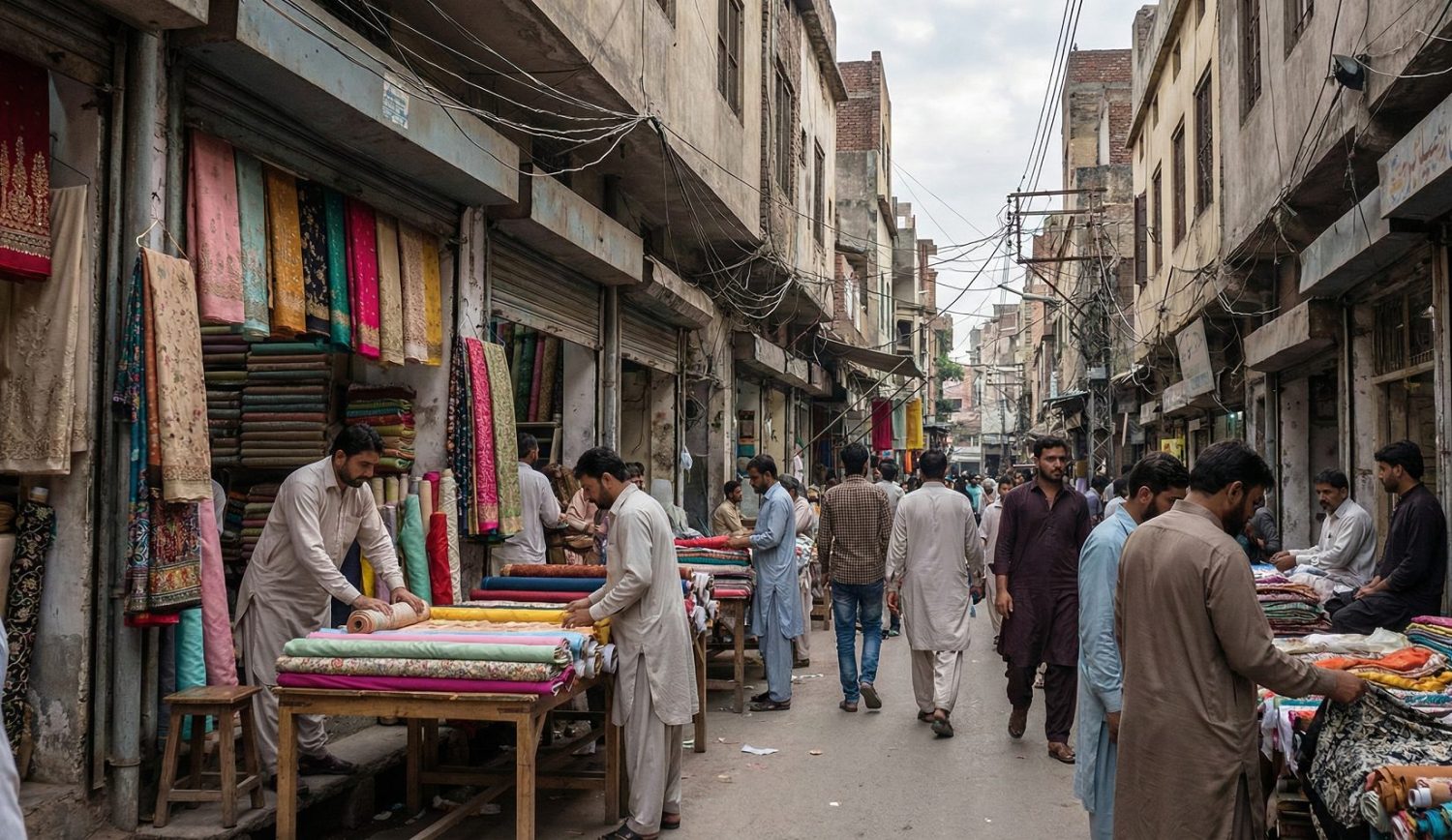
This is the checklist traveler mistake. Badshahi Mosque? Check. Fort? Check. Wagah? Check. Done with Lahore. If that’s all you do, you’ve seen the “Mughal theme park” version of the city… not the city itself. Lahore’s magic is in its layers — colonial libraries, Sufi shrines, hidden havelis, random conversations that hijack your day.
The Reality: The famous spots are crowded and sometimes feel like a conveyor belt. Beautiful, yes, but not intimate. People skip places like Data Darbar because it feels intense, or they skip Fakir Khana Museum because it requires effort and planning. So they leave feeling like they saw a lot of old buildings, but never really touched the city’s pulse.
The Fix: Mix “Big Sights” with “Deep Sights.” Spend a morning at Lahore Museum staring at the Fasting Buddha, then spend an afternoon at Lawrence Gardens watching locals play cricket like it’s a religion. Go to the Fort, then show up at a Sufi shrine on a Thursday night and let Qawwali shake your chest a little. Seek out the hidden gems of Lahore. Those are the places where the best stories happen.
Summary Table: Mistakes vs. Solutions
| The Mistake | The Real-World Consequence | The Solution |
|---|---|---|
| Tight Scheduling | Stress spikes, missed attractions, constant rushing. | The “One Big Thing” rule per day. |
| Driving Yourself | Accident risk, mental burnout, zero enjoyment. | Use Uber / Indriver or hire a driver. |
| Leaving Passport at the Hotel | Turned away from checkpoints or Wagah access. | Carry the original passport securely. |
| Ignoring Smog Season | Breathing issues, motorway closures, flight chaos. | Build buffers + use an N95/FFP2 mask. |
| Over-reliance on Cards | Can’t pay for rickshaws, snacks, bazaar purchases. | Carry small notes daily. |
Lahore will test your patience, your stomach, and your sense of direction. But if you avoid these mistakes, it becomes the kind of city you talk about for years. Don’t fight it. Flow with it. Respect the traffic, eat the street food (smartly), carry your passport, and leave your Western obsession with time at the airport. Lahore runs on its own clock… and once you stop arguing with that clock, the city starts making sense.