Is Lahore Safe for Tourists? (Local Advice & Facts)
This is one of those questions people half-whisper, like saying it too loudly might summon a problem. Not because it’s wrong. More because the answer refuses to sit still. Lahore isn’t “dangerous” in the tabloid sense. It’s also not a place where you completely shut your brain off and float through the streets. Both truths live here. Side by side.
I think where people go wrong is chasing a clean yes or no. Lahore doesn’t deal in clean lines. Safety here is about reading the room, watching the clock, understanding the mood. Not about constant fear. Not about blind trust either.
The Short Answer (Without Sugarcoating It)
Yes — Lahore is generally safe for tourists, especially if you’re visiting short-term and staying around well-known areas. But it won’t feel safe in the same way a sleepy European town does. And pretending it should just sets you up for frustration.
Most travelers don’t face crime. What they do face is attention. Stares. Questions. A lot of “Where are you from?” energy. Sometimes warm, sometimes awkward, sometimes exhausting. That doesn’t equal danger, but it can mess with your head if you weren’t expecting it.
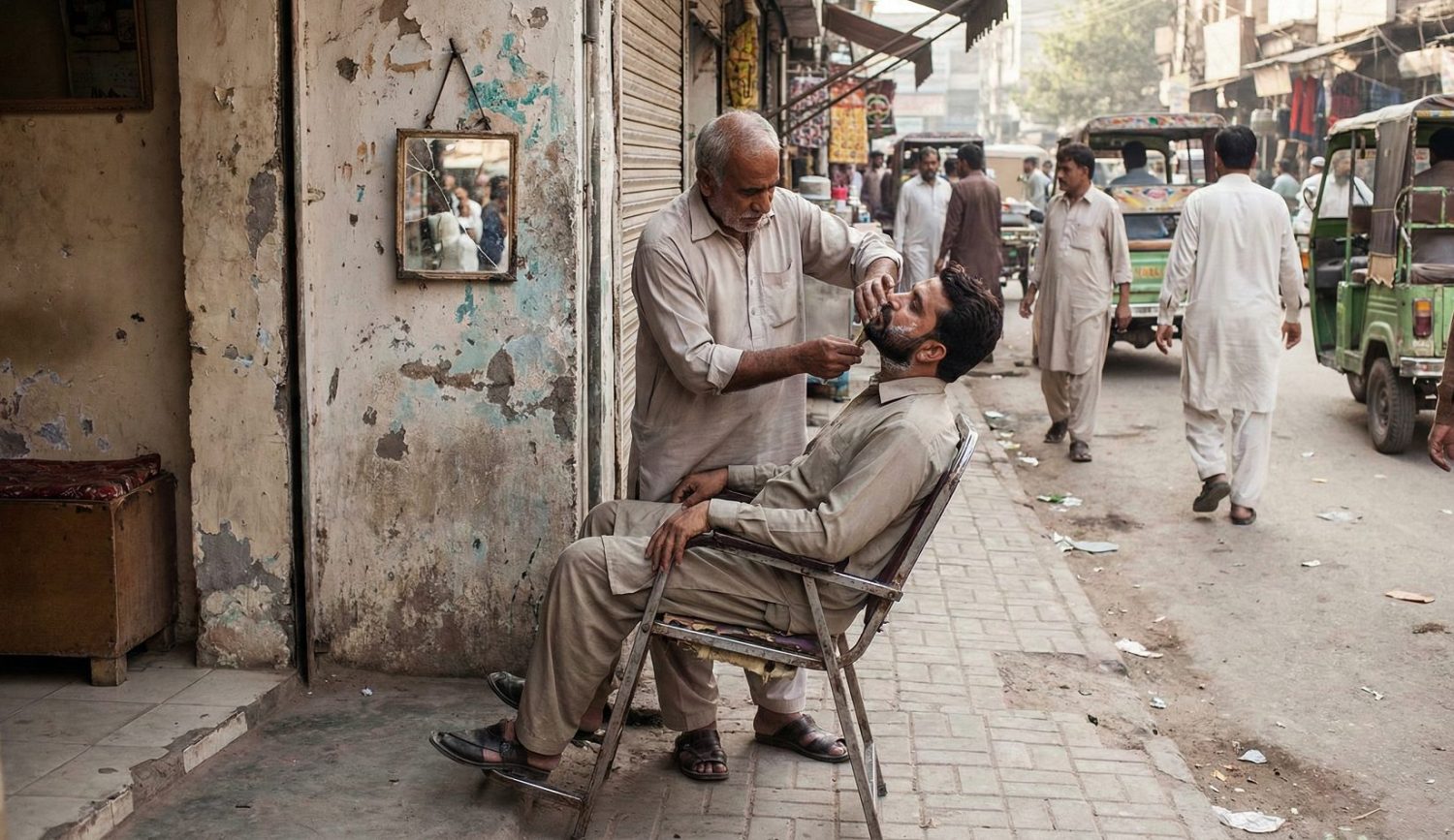
Honestly, how safe Lahore feels depends on how you move. Your timing. Your confidence. Whether you look like you know roughly where you’re going… or like the city just dropped you off without instructions.
How Safe Lahore Actually Feels on the Ground
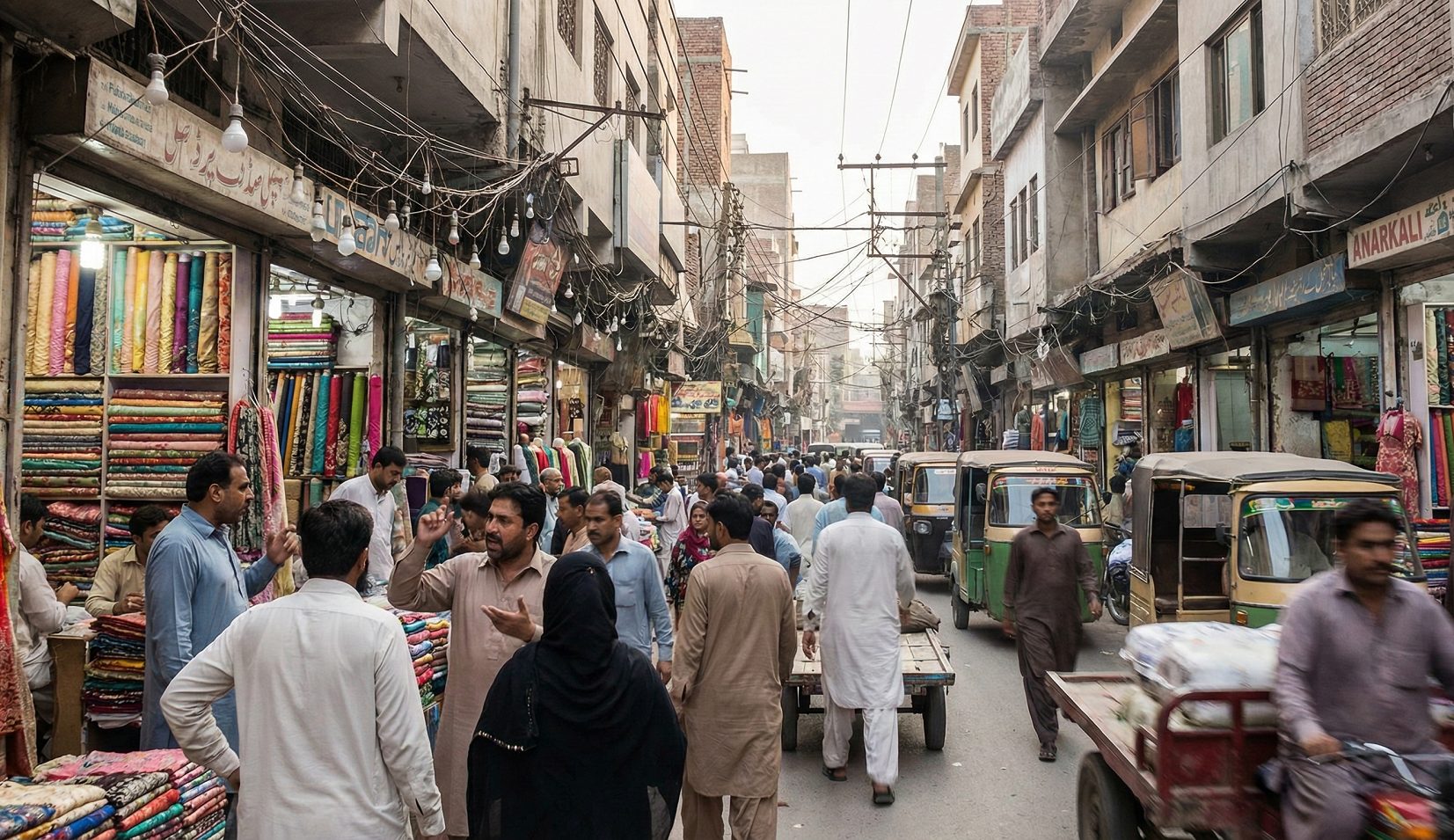
Lahore isn’t a numbers city when it comes to safety. It’s a vibes city. Loud streets, packed markets, sudden quiet pockets. Chaos here, calm there. That contrast throws people more than any statistic ever could.
Daytime vs Evening
During the day, Lahore feels busy, not threatening. People everywhere. Shops open. Traffic doing its own strange dance. Even neighborhoods that look rough on Google Maps usually feel fine when the sun’s up and life is moving.
Evenings shift the tempo. Not dramatically, just unevenly. Some areas stay alive late into the night. Others empty fast, almost abruptly. When a street goes quiet, that’s usually your sign to drift elsewhere. No hero moments required.
Late at night? Most tourists have zero reason to roam around aimlessly. And skipping that urge doesn’t make you weak. It makes you sensible.
Tourist Areas vs Local Neighborhoods
Areas that see visitors regularly feel easier. Not magically safer — just more legible. People expect outsiders. Asking for directions feels less weird. You stick out less, even when you clearly don’t blend in.
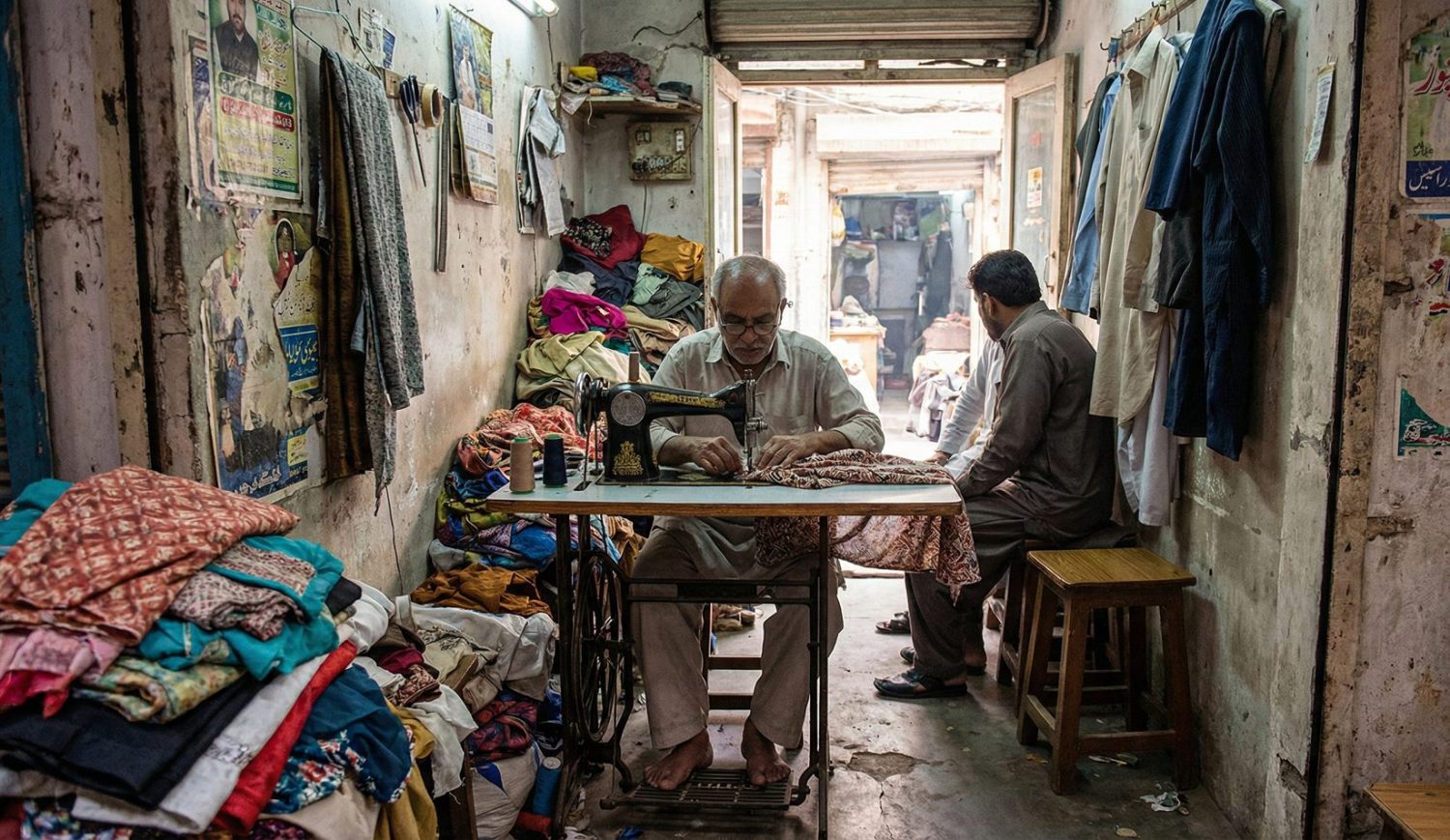
Local neighborhoods aren’t unsafe by default. They’re just… local. Few English signs. More curiosity. Sometimes someone genuinely worried about why you’re there, like you wandered off the map by accident.
That attention can get intense. Usually it’s curiosity, not aggression. Still, it can drain you faster than walking ten kilometers in the heat.
What Feels Normal — and What Doesn’t
Being watched? Normal. Getting questions? Normal. People offering help you never asked for? Very normal.
What’s not normal is pressure. Someone following you after you’ve clearly disengaged. Being boxed into a conversation you don’t want. Those moments don’t happen often, but when they do, that’s your cue to leave — calmly, firmly, without worrying about seeming rude.
Locals read these signals without thinking. Visitors sometimes freeze. Learning when to disengage matters more than memorizing a checklist.
Common Safety Concerns for Foreign Visitors
When people talk about safety in Lahore, they’re usually circling the same small cluster of worries. Not violent crime, almost never. It’s more about uncertainty. Noise. Attention. That uneasy question in the back of your head — is this about to get weird, or am I just overthinking it?
If you’ve spent time in South Asia before, none of this will shock you. If you haven’t, the first day can feel like being dropped into fast-forward. It hits hard. Then it settles.
- Unwanted attention rather than direct threats
- Small scams built on confusion, not force
- Transport chaos and sensory overload
- Political events that sound dramatic but stay contained
Most of these concerns exist across the region. What makes Lahore different is how openly people interact with you. There’s very little pretending you’re invisible.
Scams and Tourist Traps
Yes, scams exist. They’re usually low-effort and short-lived. Someone offers help you didn’t request. A price quietly shifts mid-ride. A “guide” materializes out of nowhere, already talking.
Almost all of these moments end the second you’re firm and uninterested.
- Overpriced rickshaw rides for short distances
- Unofficial guides near major landmarks
- Vague fees mentioned suspiciously late
Travelers who map their days loosely — or follow something structured like this 3-day Lahore plan — tend to glide past most of this without realizing it.
Pickpocketing and Petty Theft
Despite the crowds, pickpocketing isn’t constant. It happens, sure. It’s just not the nonstop threat people imagine.
Basic habits do most of the work:
- Keep your phone out of sight when you’re not using it
- Use zipped pockets in packed markets
- Don’t abandon valuables on café tables
Most visitors leave saying the city drained them mentally more than it ever scared them physically.
Harassment and Unwanted Attention
This is the part people struggle to describe honestly. Attention in Lahore can be relentless. Staring is normal. Comments happen. Usually not aggressive — just persistent, repetitive, tiring.
For many visitors, especially women, the issue isn’t danger in the strict sense. It’s exhaustion.
Understanding local norms helps more than memorizing rules. Modest clothing, purposeful movement, fewer aimless walks. More nuance on this shows up later in common Lahore travel mistakes, which first-time visitors repeat without realizing it.
Political Tensions and Protests
Political activity exists. It just rarely intersects with tourists. When it does, it’s obvious — loud, crowded, and localized.
If something feels off, leaving early is enough. Locals do exactly that. No investigation required.
Is Lahore Safe for Solo Travelers?
Yes. But the experience shifts depending on who you are, when you move, and how much attention you attract without trying.
Solo Men
Solo male travelers generally find Lahore manageable. Attention happens, but it’s more curious than confrontational.
- Walking during the day feels fine
- Busy evenings work in central areas
- Late-night wandering rarely adds anything useful
Most complaints from solo men are logistical, not about safety.
Solo Women
Solo female travel in Lahore is doable, but it demands more emotional bandwidth. Attention is more frequent and harder to tune out.
Many women feel steadier when they:
- Dress conservatively without obsessing over it
- Use ride-hailing apps instead of street transport
- Limit solo movement late at night
Some start with a guided city experience — not because Lahore is unsafe, but because it lowers friction while you adjust to the rhythm.
Cultural Attention vs Real Danger
Discomfort isn’t the same as risk. Being watched doesn’t automatically mean being threatened.
Lahore is social, blunt, curious. If you come from quieter cultures, that contrast can feel sharper than expected.
Transport Safety in Lahore
Transport is where most visitors feel overwhelmed. Not unsafe — just mentally heavy.
Rickshaws and Taxis
Rickshaws are loud, flexible, unpredictable. They’re best for short hops.
- Set the price before moving
- Expect creative route choices
- Avoid them late at night when possible
Ride-Hailing Apps
For visitors, these are usually the smoothest option. Clear pricing. Digital records. Minimal negotiation.
They don’t fix traffic chaos, but they lower cognitive load — which matters more than people admit.
Walking Around the City
Walking works in compact, active zones. Sidewalks appear and disappear. Pedestrian rules are… flexible.
If a walk feels off, trust that instinct. Switching to transport isn’t giving up — it’s choosing efficiency.
| Transport Option | Safety Level | Stress Level | Best Use Case |
|---|---|---|---|
| Rickshaw | Medium | High | Very short local rides |
| Ride-hailing apps | High | Low | Direct point-to-point travel |
| Walking | Medium | Medium | Busy central areas |
Areas of Lahore Where Tourists Usually Feel Comfortable
Talking about “safe” and “unsafe” parts of Lahore is awkward. Not because differences don’t exist. They do. It’s awkward because the labels lie. What feels unsafe to a visitor is often just unfamiliar, loud, inconvenient — or all three at once.
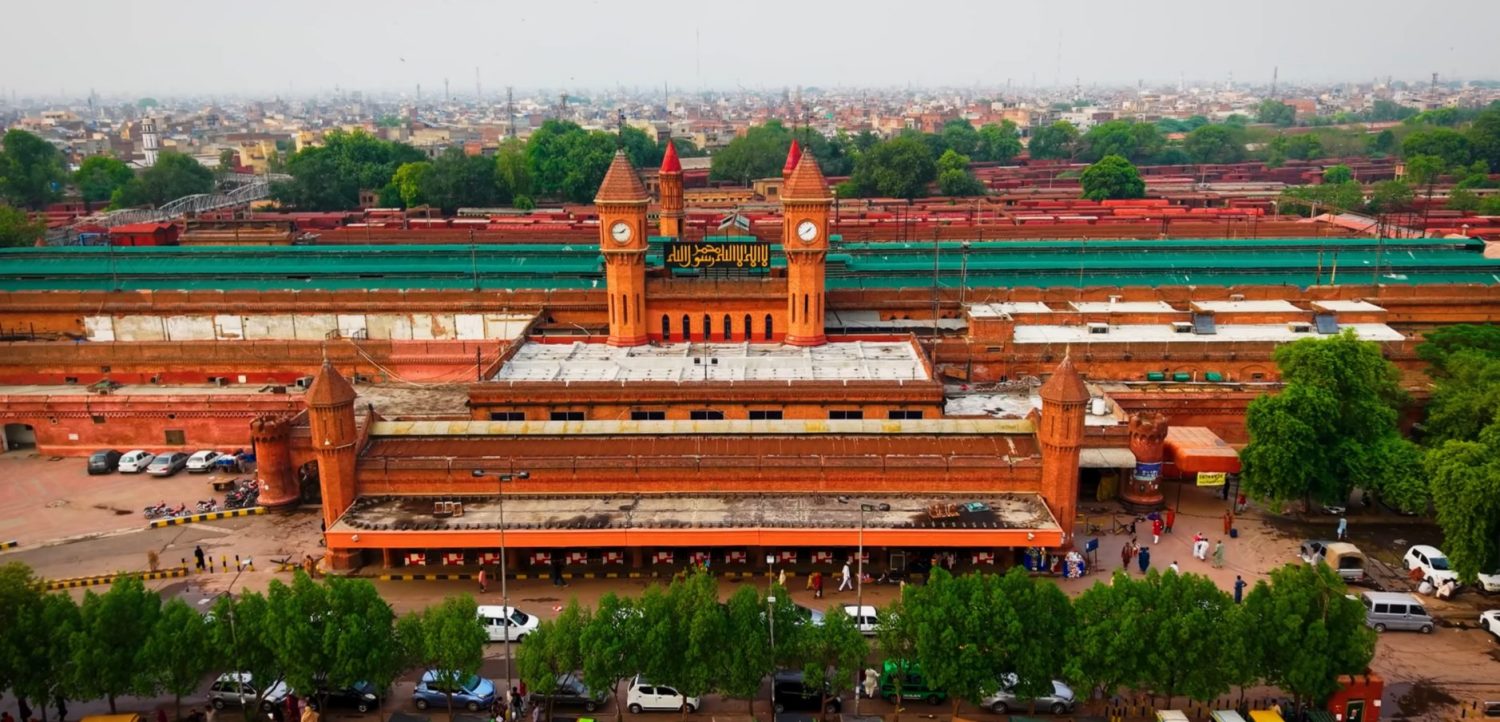
Most travelers drift, without thinking too much about it, toward places that offer a mix of visibility and structure. Areas where the city explains itself a little.
- Central districts with constant foot traffic
- Zones used to domestic tourists and business travelers
- Neighborhoods with simple transport links
These places feel easier to navigate. Not because crime evaporates, but because patterns are clearer. You can read what’s going on. If you want deeper context on how different parts of the city actually function, this breakdown of Lahore neighborhoods helps connect the dots.
Areas Tourists Rarely Need to Visit
Some areas just don’t offer much to short-term visitors. They’re residential. Spread out. Hard to reach. Going there doesn’t usually increase danger — it mostly increases confusion.
A lot of “safety incidents” tourists talk about start with one simple thing: being tired, lost, and unsure why they’re even there.
Why “Unsafe” Often Just Means “Inconvenient”
If a place feels off, it’s often because:
- There’s no obvious reason for a visitor to be present
- Foreigners aren’t a common sight
- Transport options dry up quickly
That discomfort is data. Listening to it usually fixes the problem faster than pushing through out of stubbornness.
When a Guided Visit Actually Improves Safety
Guided visits don’t suddenly wrap Lahore in bubble wrap. They reduce friction. That’s it.
For some travelers — honestly, many — that reduction matters more than full independence.
- When time is short and decisions stack up fast
- When cultural guesswork becomes mentally draining
- When efficiency matters more than wandering
A locally guided city visit smooths those edges. Not because danger is lurking everywhere, but because small uncertainties pile up. This becomes obvious on brief stays, like those outlined in a general Lahore travel guide, where wasted energy adds up quickly.
Practical Safety Tips That Aren’t Overkill
Most online safety advice swings between panic and denial. Neither helps much.
How to Dress Without Overthinking It
- Cover shoulders and legs in public spaces
- Avoid outfits that pull attention for the wrong reasons
- Blend in instead of performing “tourist”
You don’t need a perfect local disguise. You just need to avoid broadcasting total unawareness.
Handling Attention Calmly
Attention is baked into the experience. Reacting sharply often escalates moments that would’ve faded on their own.
- Brief eye contact, then disengage
- Polite, firm refusals
- Drift toward busier streets when unsure
Locals do this without thinking. Visitors learn it slowly. That’s fine.
What Locals Do Differently
Locals don’t wander without a reason, especially after dark. Routes are planned mentally. Lingering happens with intent.
Copying those habits quietly improves your experience.
So, Is Lahore Safe — Compared to Other Cities?
Compared to many large South Asian cities, Lahore feels calmer in some ways and more intense in others. Crime isn’t the main stressor. Sensory overload is.
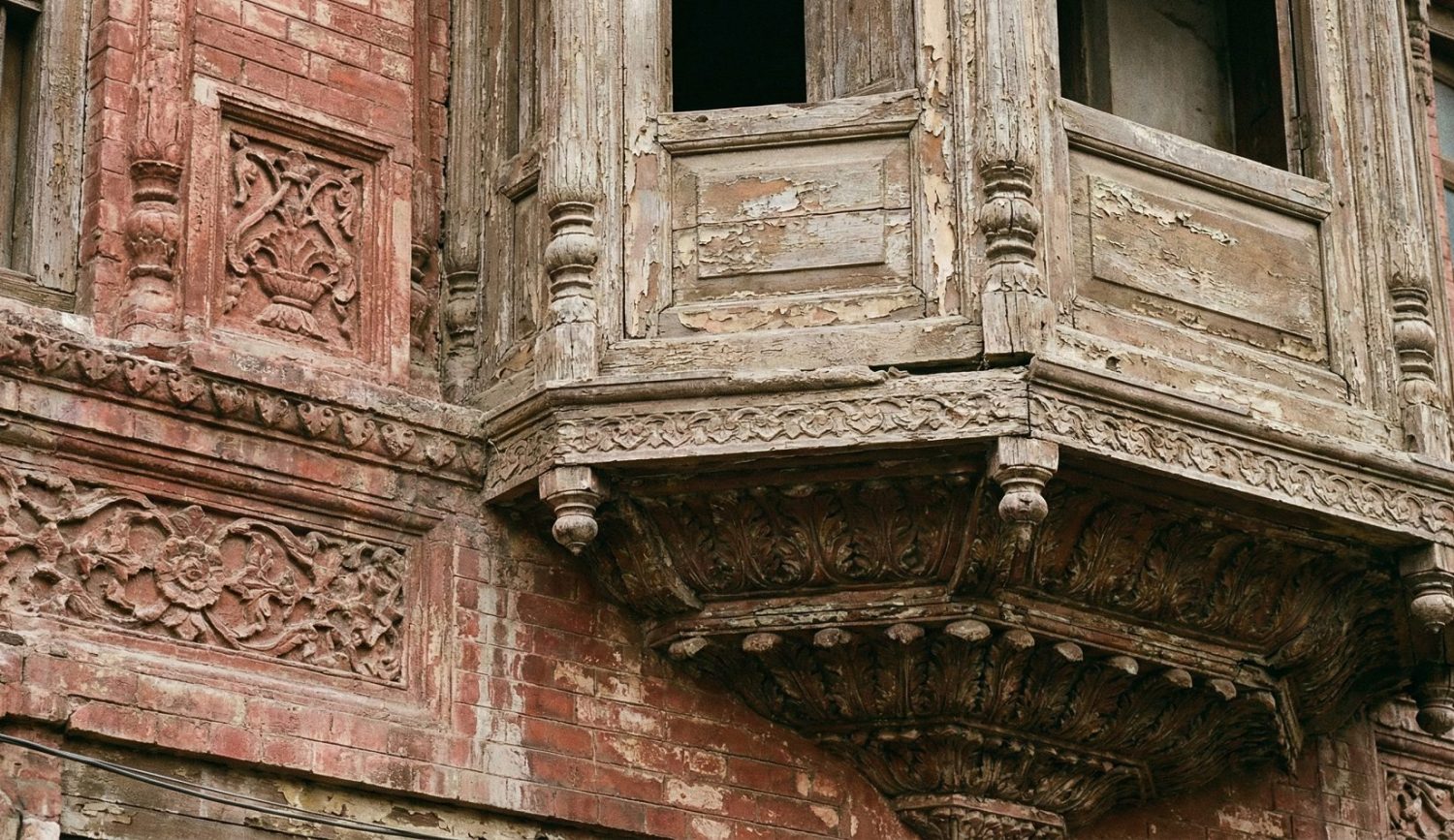
Compared to Western cities, expectations matter more than conditions. People who arrive braced for chaos usually handle things better than those expecting comfort.
Why Expectations Matter More Than Reality
Most negative experiences come from mismatched assumptions. Not from real danger.
If you arrive ready for noise, attention, and unpredictability, Lahore rarely feels unsafe. It just feels alive.
Final Thoughts
Lahore isn’t a place where you stop paying attention. It’s also not a place where fear should run your schedule.
For most visitors, safety comes down to understanding how the city moves. Once that clicks, the tension eases. Not entirely — but enough.
And honestly, that adjustment period is part of what sticks with you long after you leave.